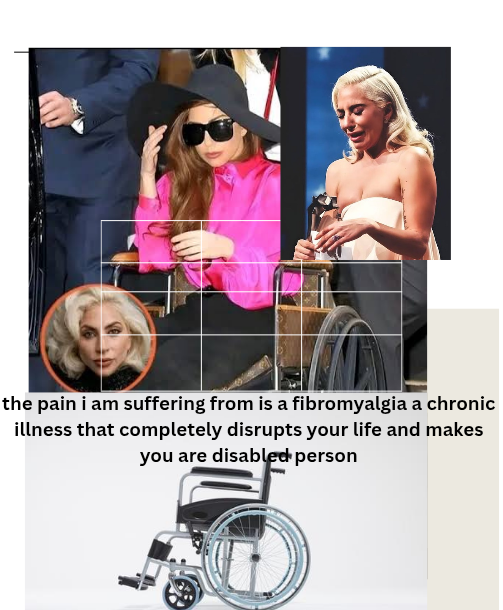
I learned a new phrase today: Dynamic Disability Have you heard of it? It describes me & I bet describes you too.
I learned a new phrase today:
Dynamic Disability
Have you heard of it? It describes me & I bet describes you too.
“A dynamic disability is a condition where the severity, symptoms, and functional impact fluctuate over time rather than remaining constant. Unlike static disabilities (such as a permanent amputation or paralysis), individuals with dynamic conditions experience recurring flare-ups and periods of remission, making their daily abilities highly unpredictable.
Many invisible illnesses and chronic conditions are considered dynamic.
Common examples include:
Autoimmune diseases:
Lupus, rheumatoid arthritis.
Neurological conditions:
Multiple Sclerosis (MS), epilepsy, migraines.
Pain and fatigue disorders:
Fibromyalgia, Myalgic Encephalomyelitis/Chronic Fatigue Syndrome (ME/CFS), Ehlers-Danlos Syndrome (hEDS).
Autonomic disorders:
Dysautonomia or Postural Orthostatic Tachycardia Syndrome (POTS).
Unique ChallengesUnpredictability:
Planning work projects, travel, or social events can be stressful because a person may feel capable of an activity one day but be entirely unable to follow through the next.
“Can” vs. “Should”:
People with dynamic disabilities are often forced to weigh what they technically can do on a high-energy day against what they should do to prevent prolonged recovery or worse symptoms.
Social Misunderstanding:
Because a dynamic disability fluctuates, individuals frequently face social invalidation or stigma. For example, a person might use a mobility aid or wheelchair on a bad pain day, but walk unassisted on a better day, leading uninformed strangers or colleagues to doubt the validity of their disability.
Workplace Accommodations:
The fluctuating nature of these conditions can make it more difficult for individuals to secure and maintain consistent workplace accommodations.”
(The writer of this needs to consider putting Fibro under neurological conditions.)