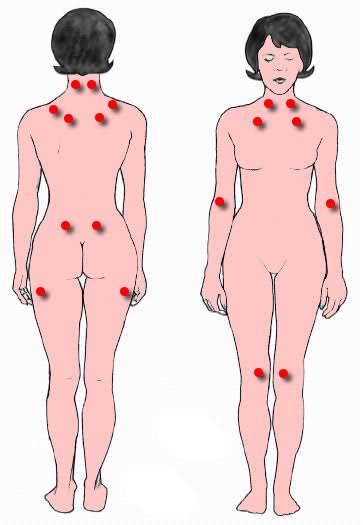
The 8 Types of Fibromyalgia Pain
Hyperalgesia
Widespread Muscle Pain
TMJ Pain
Allodynia
Neuropathic Pain
Key Takeaways
Fibromyalgia causes several types of pain, including muscle and joint pain.
Physical therapy and light exercise can help manage fibromyalgia pain. Medication is an option.
Pain in the jaw joint, known as TMJ, is common in people with fibromyalgia.
Fibromyalgia causes eight distinct types of pain, affecting muscles, joints, and more. Understanding these types can help in managing symptoms effectively.
Types of Fibromyalgia Pain
Illustration by Zoe Hansen for Verywell Health
Types of Fibromyalgia Pain
Fibromyalgia pain types include:1
Hyperalgesia
Widespread muscle pain and fatigue
Temporomandibular joint pain (TMJ)
Allodynia
Neuropathic pain
Headaches
Digestive pain
Pelvic pain
Hyperalgesia
Hyperalgesia is the medical term for the increased sense of pain you feel due to fibromyalgia.2 Scientists don’t fully understand this condition but they believe the brains of people with fibromyalgia are more sensitive to pain signals.3
In a study published in Clinical Neurophysiology, researchers inserted needles attached to monitors into the upper arm muscles of 21 women with fibromyalgia.4They recorded the electrical activity when they pressed down on the women’s muscles with different amounts of force. Then they compared the results to 21 healthy women and 25 women with chronic fatigue syndrome, which causes extreme tiredness.
The researchers reported that the tissues surrounding the muscles in women with fibromyalgia overreacted to the lightest touch. Muscle activity was the same in all three groups. The researchers believe that the nervous systems of the women with FMS were sending signals that caused the tissues to remain on high alert.4
Widespread Muscle Pain
Widespread muscle pain is a hallmark of fibromyalgia. It can make you feel like you have the flu or “hurt all over.” Many people with fibromyalgia also tend to have:
Low back pain, which may spread into the buttocks and legs
Pain and tightness in the neck that moves across the back of the shoulders
Pain between the shoulder blades
Pain in the breastbone and rib cage that feels like a heart attack
The Food and Drug Administration has approved four drugs to help relieve fibromyalgia pain. These include two antidepressants, Drizalma Sprinkle (duloxetine) and Savella (milnacipran), as well as the anti-seizure drug Lyrica (pregabalin), and the muscle relaxant Tonmya (cyclobenzaprine).5
In addition to medication, physical therapy and massage may help to help ease the pain. Any movement can be difficult when you’re in pain, but doctors also recommend 30 minutes a day of light exercise.
Exercises like yoga, walking, or swimming help loosen your muscles and joints and maintain your flexibility. One study found that exercising in a pool with warm water for just two weeks decreased pain by 15% in women with fibromyalgia.6
TMJ Pain
One of the most common joint problems in people with FMS is pain in the temporomandibular joint (TMJ).7 This connects your jaw to your skull on either side of your face. TMJ pain is often described as a dull, persistent ache that affects the ear, temple, eyes, lower jaw, or neck.8 Dentists usually diagnose TMJ.
Your dentist might suggest wearing a mouth guard to wear while you sleep to keep you from grinding your teeth. You can buy “boil and bite” ones in pharmacies and sporting goods stores. Dentists can make custom-fit ones, but they cost more.
For TMJ pain, try taking anti-inflammatory drugs such as Aleve (naproxen) or Advil (ibuprofen). If your pain persists, ask about a muscle relaxant or an FDA-approved FMS pain drug.
Allodynia
Allodynia is a kind of skin pain where even the lightest touch can hurt. Mild clothing pressure from a waistband or bra strap can feel painful.2 Researchers believe central sensitization causes allodynia. This means the brain, nerves, and spinal cord overreact to sensations.9
Specialized nerves called nociceptors sense information through the skin about things like temperature. They cause you to react immediately. That’s why you jerk your hand away when you touch something hot.
When these nerves become overly sensitized, your body interprets sensations as pain.10 Many people with FMS describe allodynia as their skin constantly feeling like it’s badly sunburned. The prescription drug Lyrica (pregabalin) can help treat allodynia.11
Neuropathic Pain
Neuropathic pain causes feelings of crawling, tingling, burning, itching, or numbness in the arms and legs.12 In severe cases, these sensations can be painful and may be associated with another type of pain known as nociplastic pain, which is caused by altered pain processing in the nervous system. Still, patients have typical reflexes and strength.
Prescription fibromyalgia treatments can help ease neuropathic pain.5 Some people with FMS find that over-the-counter capsaicin cream can help numb the pain. This is a painkiller made from peppers. Skin rubs with lidocaine, like Ben Gay, can also be helpful.13
Two review studies suggest taking vitamin B1, B6, and B12 supplements might help ease neuropathic pain.14 However, the studies didn’t look specifically at neuropathic pain caused by fibromyalgia. Dosages also varied widely in the studies.
Headaches
Both tension headaches and migraines are very common in people with fibromyalgia15
Tension headaches cause a dull, tightening pressure sensation all around the head. While uncomfortable and nagging, they are not disabling. Migraines are more painful. They often occur on one side of the head and may be associated with light and sound sensitivity.
A 2018 study in the Journal of Headache and Pain concluded that migraine headaches are more severe and intense in people with fibromyalgia than in those without the condition.16
Migraines can be treated with prescription medications, such as triptans, non-steroidal anti-inflammatory drugs (NSAIDs), and neuromodulation devices. Avoiding common triggers of migraines (such as certain foods or flashing lights) can help prevent the onset of a migraine.
Digestive Pain
It’s estimated that up to 70% of people with fibromyalgia are also diagnosed with irritable bowel syndrome (IBS).17 This is a digestive disorder that causes cramping, belly pain, constipation, diarrhea, and nausea.
IBS can be difficult to treat, but lifestyle strategies and an array of medications are often effective.
Acid reflux is another digestive disorder common among people with fibromyalgia. This occurs when stomach acid flows back up the tube connecting your stomach and mouth.
Gastroesophageal reflux disease (GERD) is a chronic form of acid reflux that is also more common in people with fibromyalgia.Researchers in Taiwan found that people with fibromyalgia are about one and a half times more likely to have acid reflux.
GERD and acid reflux is typically treated with over-the-counter antacids, prescription medications, and lifestyle measures, including dietary changes.
Fibromyalgia Doctor Discussion Guide
Get our printable guide for your next doctor appointment to help you ask the right questions.