200+ Major and Minor Symptoms of Fibromyalgia

200+ Symptoms and Co-occurring conditions of Fibromyalgia
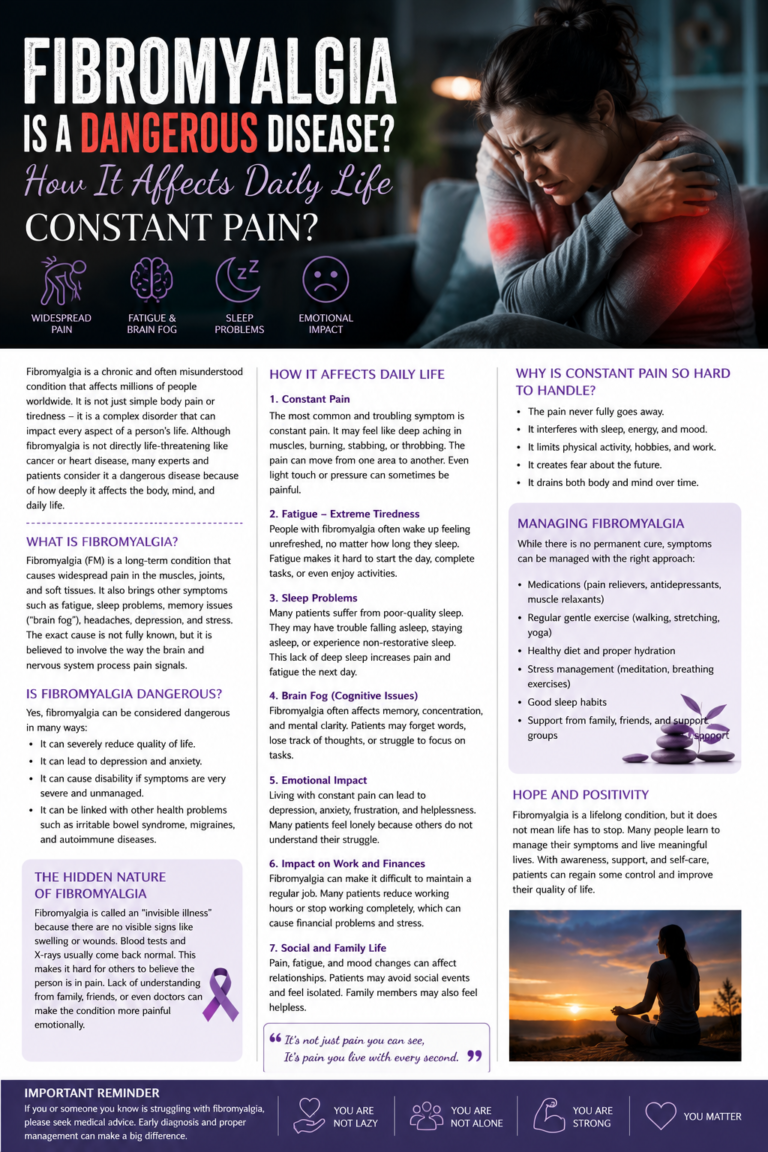
Fibromyalgia causes a wide range of symptoms that can vary greatly from person to person. Each individual experiences the condition differently, making it a uniquely challenging and complex disorder to manage.
fibromyalgia-symptoms
Under Review
FAC is currently in the process of reviewing each of these symptoms and list of co-occuring conditions and comorbidities. We’re gathering information that’s backed by research and will update this post soon.
We are dedicated to making sure you have all the most accurate, up-to-date information about fibromyalgia and caring for yourself.
Did you know that there are over 200+ symptoms and co-occurring conditions associated with fibromyalgia?
Source: fibromapp.com, moregooddays.comThis highlights the complexity of fibromyalgia, which manifests with a plethora of symptoms and co-occurring conditions. Each individual’s experience with these conditions is unique.
Fibromyalgia is characterized by its complexity, presenting a diverse array of symptoms that can vary greatly in their nature and severity from person to person. Current research suggests that certain fibromyalgia symptoms may be linked to abnormalities in brain function, dysregulation of the immune system, and central sensitization 1.
Below is a compilation of over 200+ symptoms and co-occurring conditions associated with fibromyalgia. Are any of these familiar to you? Remember, not all individuals with fibromyalgia will experience every symptom, and some symptoms may be shared with other conditions. Therefore, it’s crucial to discuss any concerns with your healthcare provider to rule out alternative diagnoses.
Many of these conditions are linked to an imbalance in the body’s systems, such as dysregulation of the nervous system. Consequently, while the symptoms and associated conditions may appear unrelated, interventions that alleviate pain may also benefit other conditions and symptoms.
It’s important to note that the complexity of fibromyalgia makes categorizing symptoms challenging. Our body systems are incredibly intricate and interconnected. Some symptoms listed here are separate conditions that commonly co-occur, while others may appear contradictory, such as experiencing both high and low blood pressure. This variability can be attributed to the unique expression of the condition in each individual, pre-existing health conditions, and the influence of nervous system activity.
Adding further complexity, individuals with fibromyalgia may also be coping with several other conditions, whether or not they are taking medications for them. Studies indicate that symptoms tend to escalate with the number of medications a person is prescribed, suggesting that some symptoms may be attributable to medication side effects 2.
General Symptoms
Chest pains
Heart palpitations
Irregular heartbeat
High blood pressure
Low blood pressure
Dizziness upon standing (orthostatic hypotension)
Postnasal drip
Recurrent infections
Slow healing
Susceptibility to colds and flu
Neurological Symptoms
Vertigo and dizziness
Headaches
Migraines
Syncope (fainting)
Seizures
Stroke-like symptoms
Transient ischemic attacks (mini-strokes)
Restless legs syndrome
Tingling and numbness
Eye, Ear & Mouth Symptoms
Dry eyes and mouth
Vision changes
Puffy eyes
Dark circles under eyes
Eye twitching
Conjunctivitis
Blepharitis (eyelid inflammation)
Keratitis (cornea inflammation)
Uveitis (uvea inflammation)
Optic neuritis (inflammation of the optic nerve)
Cataracts
Glaucoma
Macular degeneration
Retinal detachment
Vision loss
Teeth grinding (bruxism)
Temporomandibular joint disorder (TMJ)
Dental problems
Gum disease
Tooth decay
Mouth ulcers
Hearing loss
Urogenital Symptoms
Frequent urination
Bladder spasms
Interstitial cystitis
Swelling and bloating
Water retention
Candida overgrowth
Urinary tract infections
Peptic ulcers
Ballbladder dysfunction
Liver enzyme elevations
Pancreatitis
Kidney stones
Bladder dysfunction
Prostatitis
Endometrial hyperplasia
Respiratory Symptoms
Dry or burning throat
Breathing difficulties
Voice changes
Laryngitis
Swollen lymph nodes
Chronic sinusitis
Recurrent bronchitis
Pneumonia
Asthma exacerbations
Swollen glands
Sore throat
Shortness of breath
Acid reflux
Esophageal spasms
Hypersensitivity pneumonitis
Pleurisy (inflammation of the lining of the lungs)
Cough
Hair & Nail Symptoms
Hair loss
Brittle nails
Nail ridges
Nail discoloration
Cognitive Symptoms
Cognitive dysfunction
Brain fog
Impaired judgment
Difficulty making decisions
Difficulty planning or organizing
Difficulty with multitasking
Disorientation
Confusion
Hallucinations
Delirium
Derealization (feeling of unreality)
Depersonalization (feeling detached from oneself)
Obsessive-compulsive tendencies
Phobias
Paranoia
Suicidal thoughts
Self-harm tendencies
Agoraphobia (fear of leaving spaces that a person considers safe, such as their home)
Social anxiety
Generalized anxiety disorder
Depression
General Sensitivities
Sensitivity to cold/heat
Sensitivity to odors/odor intolerance
Photophobia (sensitivity to light)
Photosensitivity (sensitivity to sunlight)
Phonophobia (sensitivity to sound)
Temperature regulation problems
Night sweats
Hot flashes
Allergies
Chemical sensitivities
Taste disturbances
Sensory overload
Hyperesthesia (increased sensitivity of the senses)
Hypoesthesia (reduced sensitivity of the senses)
Pain Symptoms
Widespread pain
Morning stiffness
Muscle twitching
Muscle knots, cramping, weakness
Reduced tolerance for exercise
Exercise-induce pain
Muscle stiffness
Carpal tunnel syndrome
Tendinitis
Plantar fasciitis
Heel spurs
Bursitis
Perception Symptoms
Tinnitus (ringing in the ears)
Cognitive difficulties
Memory problems
Difficulty concentrating
Disorientation
Feeling of being overwhelmed
Brain fog
Speech problems
Balance issues
Coordination problems
Emotional Symptoms
Anxiety
Depression
Mood swings
Irritability
Panic attacks
Personality changes
Emotional sensitivity
Stress intolerance
Gastrointestinal Symptoms
Digestive disorders
Abdominal pain
Bloating
Constipation
Diarrhea
Irritable bowel syndrome (IBS)
Nausea
Acid reflux
Weight changes
Weight gain
Weight loss
Appetite changes
Cravings for carbohydrates and sugar
Hypoglycemia (low blood sugar)
Hyperglycemia (high blood sugar)
Insulin resistance
Nutritional deficiencies
Vitamin D deficiency
Anemia
Heartburn
Gastritis
Hemorrhoids
Hormonal Symptoms
Menstrual problems
Premenstrual syndrome (PMS)
Painful periods
Heavy menstrual bleeding
Pelvic pain
Endometriosis
Adrenal fatigue
Hormonal imbalances
Low libido
Erectile dysfunction
Infertility
Skin (dermal) Symptoms
Skin sensitivities
Rashes
Itching
Bruising easily
Spider veins
Varicose veins
Mottled skin
Raynaud’s phenomenon
Skin infections
Paresthesia (pins and needles)
Burning sensations
Electric shock sensations
Scalp tenderness
Seborrheic dermatitis
Eczema
Psoriasis
Hives (urticaria)
Skin ulcers
Pressure sores
Scar tissue pain
Keloid formation
Hyperpigmentation
Hypopigmentation
Stretch marks
Acne
Rosacea
Flushing
Edema (swelling)
Lymphedema
Sleep & Energy Symptoms
Fatigue (made worse by physical
Activity level decreased to less than 50% of pre-illness activity level
Sleep disturbances
Sleep apnea
Insomnia
Hypersomnia (excessive sleepiness)
Sleep disturbances
Non-restorative sleep
Nightmares
Sleep paralysis
You are not alone
After perusing this extensive list, you might feel the need to rest! While it may appear overwhelming, it’s essential to understand that this list is not exhaustive, and each person’s experience with fibromyalgia is unique. Furthermore, it’s likely that you will only encounter a fraction of these symptoms!
Keep in mind that having fibromyalgia does not necessarily entail experiencing every item on this list. Whether this information is new to you or you’ve been living with fibromyalgia for some time, it can be beneficial and reassuring to track your symptoms. If you notice any of these symptoms, it’s important to discuss them with your healthcare team to ensure that there isn’t another underlying condition requiring attention.
Reference
Ceko M, Bushnell MC, Gracely RH. Neurobiology underlying fibromyalgia symptoms. Pain Res Treat. 2012;2012:585419
Rivera J, Vallejo MA. Fibromyalgia is associated to receiving chronic medications beyond appropriateness: a cross-sectional study. Rheumatol Int. 2016 Dec;36(12):1691-1699.
Governance Items Privacy Policy Log In fr_CAFR French Translations: masculine is being used inclusively and to make the text easier/lighter to read.