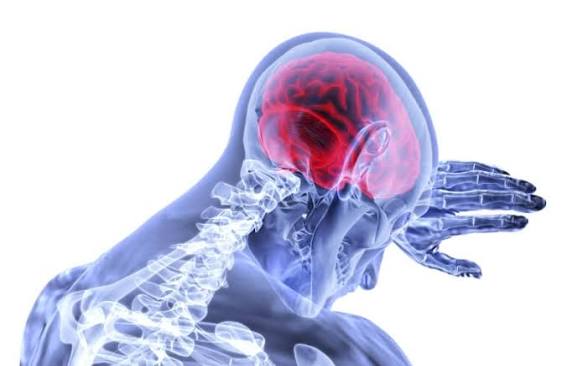
How Obstructive Sleep Apnea Impacts Brain Function
How Obstructive Sleep Apnea Impacts Brain Function
Medically reviewed by Jonathan B. Jassey, DO
Table of Contents
Table of Contents
Low Oxygen Levels
Reduced Brain Volume
Interrupted Sleep
Vascular Risk
Lower Brain Connectivity
Key Takeaways
Obstructive sleep apnea (OSA) harms brain function due to interrupted sleep and reduced oxygen levels while you’re sleeping.
Several ways in which OSA affects the brain include an increased risk of strokes, reduced brain size, and slowed communication between different areas of the brain.
The impact of OSA damage on the brain involves the cerebral cortex, hippocampus, cerebellum, and anterior cingulate cortex.
Obstructive sleep apnea (OSA) disrupts brain activity by causing nighttime oxygen deprivation and sleep interruptions, leading to risks of brain shrinkage, impaired cognitive function, and potential stroke. These impacts highlight the importance of managing OSA to protect brain health.
A person feeling drowsy during the day in an armchair
Sleep apnea can lead to daytime drowsiness, memory issues, and more brain function effects.
Milky Way / Getty Images
Low Oxygen Levels Lead to Brain Effects
In obstructive sleep apnea, your airway becomes blocked for seconds at a time during sleep.1 When your body senses low oxygen levels, you briefly wake up to start breathing again.
On average, OSA causes five to 30 episodes of interrupted breathing per hour during the night.2 Each episode results in low oxygen levels for your body, including your brain.3
Low oxygen during OSA episodes can affect the brain in several ways:2
Inflammation
Oxidative damage
Toxic chemical damage
Altered hormone levels
Disturbances in blood flow
All of these disruptions damage brain cells and nerve pathways, interfering with short-term and long-term brain function.4
Common Condition
Obstructive sleep apnea is estimated to affect between 10% to 30% of adults in the United States.1
Reduced Brain Volume Can Occur
In people with OSA, the brain can shrink slightly due to nerve damage. Although this volume loss is minimal, it can still affect brain function.5
Areas of the brain especially affected by OSA volume loss include:5
Cerebral cortex: This is the largest part of the brain, and it controls thinking, planning, self-control, and movement.
Hippocampus: This small area deep in the brain plays a large role in memory, as well as emotions.
Anterior cingulate cortex: This area of the brain is involved in regulating emotions and mediating the way you perceive and react to your emotions.
Cerebellum: Your cerebellum is a region of the brain that helps control your balance, coordination, and movements. The communication between the cerebellum and other areas of the brain can be disrupted due to OSA.6
Related Stories
How to Reduce CPAP-Related Air Swallowing Side Effects
Sleep Apnea Oxygen Mask Equipment – stock photo
How to Avoid Face Marks and Lines From a CPAP Mask
Bulky CPAP masks can leave red marks and lines on the face when used, but these can be avoided with simple steps
Interrupted Sleep Affects Brain Health
Sleep is necessary for healthy brain function. Important biological processes occur during each stage of sleep—from light sleep to deep sleep to the rapid eye movement (REM) dreaming stage. During these stages, your brain rests, recovers, heals, consolidates memory, and removes toxins.78
When your sleep is interrupted due to OSA, the lack of adequate sleep has consequences:9
Daytime fatigue and sleepiness
Impaired memory
Reduced attention and concentration
Slow reaction time
Difficulty learning
Low self-control
Emotional instability
Vascular Risk Increases
Having OSA increases your risk of conditions that can lead to a stroke.1 A stroke is a type of brain damage that happens due to an interruption in blood supply or bleeding in the brain. It causes a decline in brain function.
OSA increases the risk of stroke due to an increased risk of:1
Diabetes, which damages blood vessels
Arteriosclerosis, disease inside the blood vessels of the body
Coronary artery disease, which is narrowing of the blood vessels in the heart
Arrhythmia, an irregular heartbeat10
Cerebrovascular disease, which is narrowing of the blood vessels in the brain
The Brain Has Lower Connectivity
Your brain functions through rapid communication of neurons (nerve cells) throughout your brain. The connections and messages that your nerves send to each other coordinate your sensations, thoughts, actions, and planning.
There’s evidence that OSA can lead to slower connectivity throughout the brain.11 When connectivity between neurons is impaired, brain function becomes impaired.4
Read More:
Health A-Z
Sleep Disorders
Sleep Apnea
11 Sources
Heidi Moawad, MD
By Heidi Moawad, MD
Dr. Moawad is a neurologist and expert in brain health. She regularly writes and edits health content for medical books and publications.
See Our Editorial Process
Meet Our Medical Expert Board
Share Feedback
Related Articles
Man with sleep apnea sleeping with CPAP mask
Is Sleep Apnea Brain Damage Reversible?
Apnea treatment
Signs Your CPAP Machine Is Not Working or Needs Adjusting
The Aveo tongue stabilizing device can be used to treat snoring and obstructive sleep apnea
Using a Tongue Stabilizing Device for Sleep Apnea
Woman sleeping with CPAP mask over nose
Sleep Apnea Devices That Work
Close up of water faucet running
Why You Should Use Distilled Water In Your CPAP
Mouth breathers may have trouble tolerating CPAP due to dry mouth unless they make some changes
Using CPAP When You Mouth Breathe
Cheers with beers
What’s the Link Between Alcohol and Sleep Apnea?
A person sits with hand on head next to their bed
The Link Between Obstructive Sleep Apnea, Mood Changes, and Chronic Stress
A person sits on a couch feeling sleepy
How Untreated Obstructive Sleep Apnea Can Affect Memory and Cognitive Health Over Time
man wearing CPAP machine in bed