Is Your Fibromyalgia Causing Muscle Spasms?
Muscle spasms can be a major source of pain for people with fibromyalgia.
You can try treatments like heat, relaxation, and stretching to help with muscle spasms.
Lifestyle changes like better posture and ergonomic settings can help prevent muscle spasms.
Do you sometimes have muscles that tighten up and won’t relax no matter what you do? That’s called a muscle spasm, and a lot of people with fibromyalgia have this problem.1 In fact, some researchers consider it a major source of our pain.
Spasms are different from muscle twitches, which are brief and usually painless. When a muscle spasms, it clenches tight and stays that way.
Spasms can be painful for anyone, and they’re worse for those with fibromyalgia because of a symptom called hyperalgesia,2 which is the name for the way our nervous systems amplify pain signals.
Man holding his lower leg in pain
Jan-Otto / Getty Images
What Causes Our Muscle Spasm?
We don’t have a lot of research on why muscle spasms are involved in fibromyalgia. However, at least one study (Ge) suggests that our spasms are caused by myofascial trigger points.3
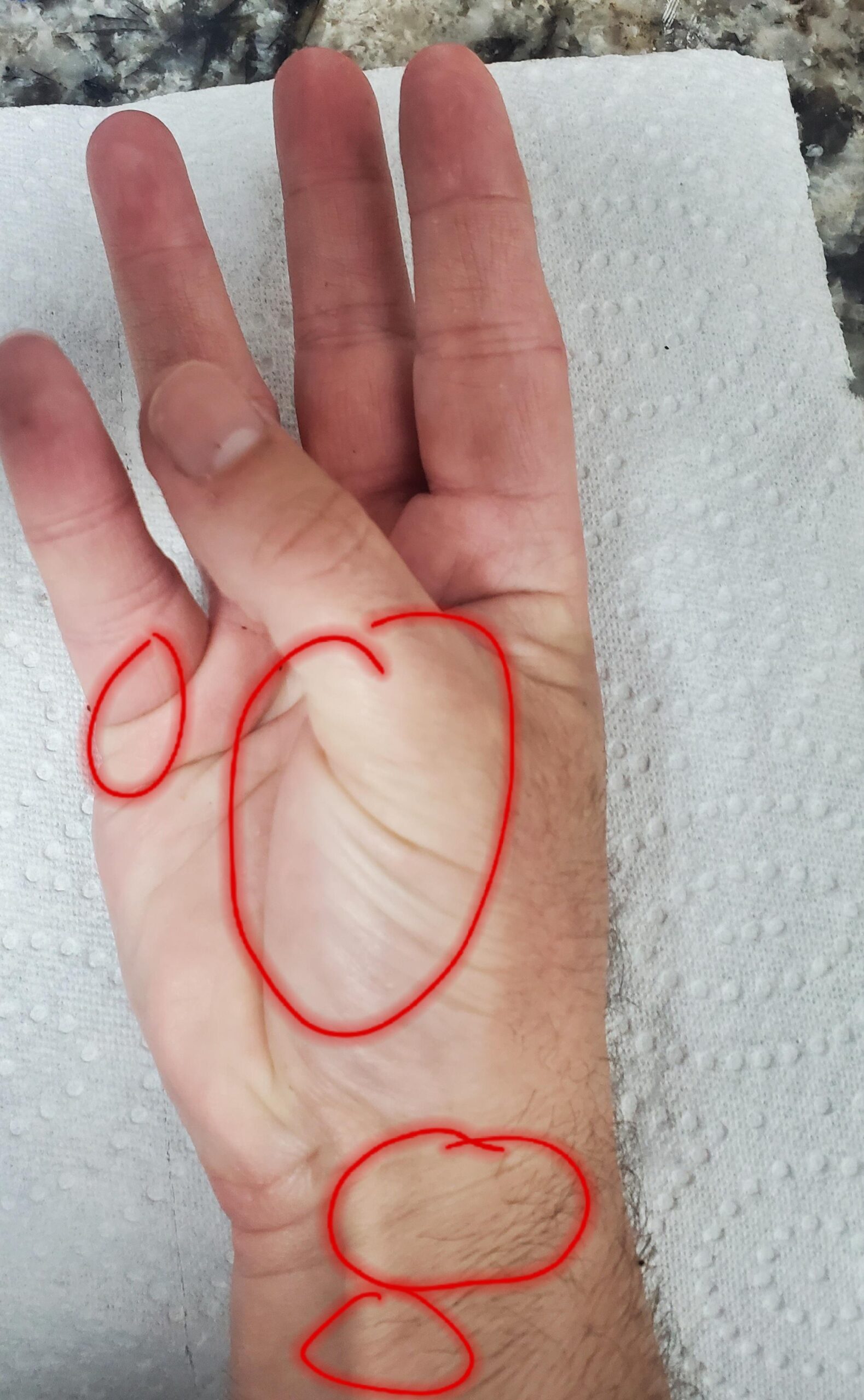
Myofascial trigger points (TrPs) are ropy bands of tissue that form when soft tissue injuries (like a sprain or strain) don’t heal properly. A condition called myofascial pain syndrome (MPS) can develop in someone with multiple active trigger points. MPS is extremely common in people with fibromyalgia and some healthcare providers believe they’re actually the same condition.
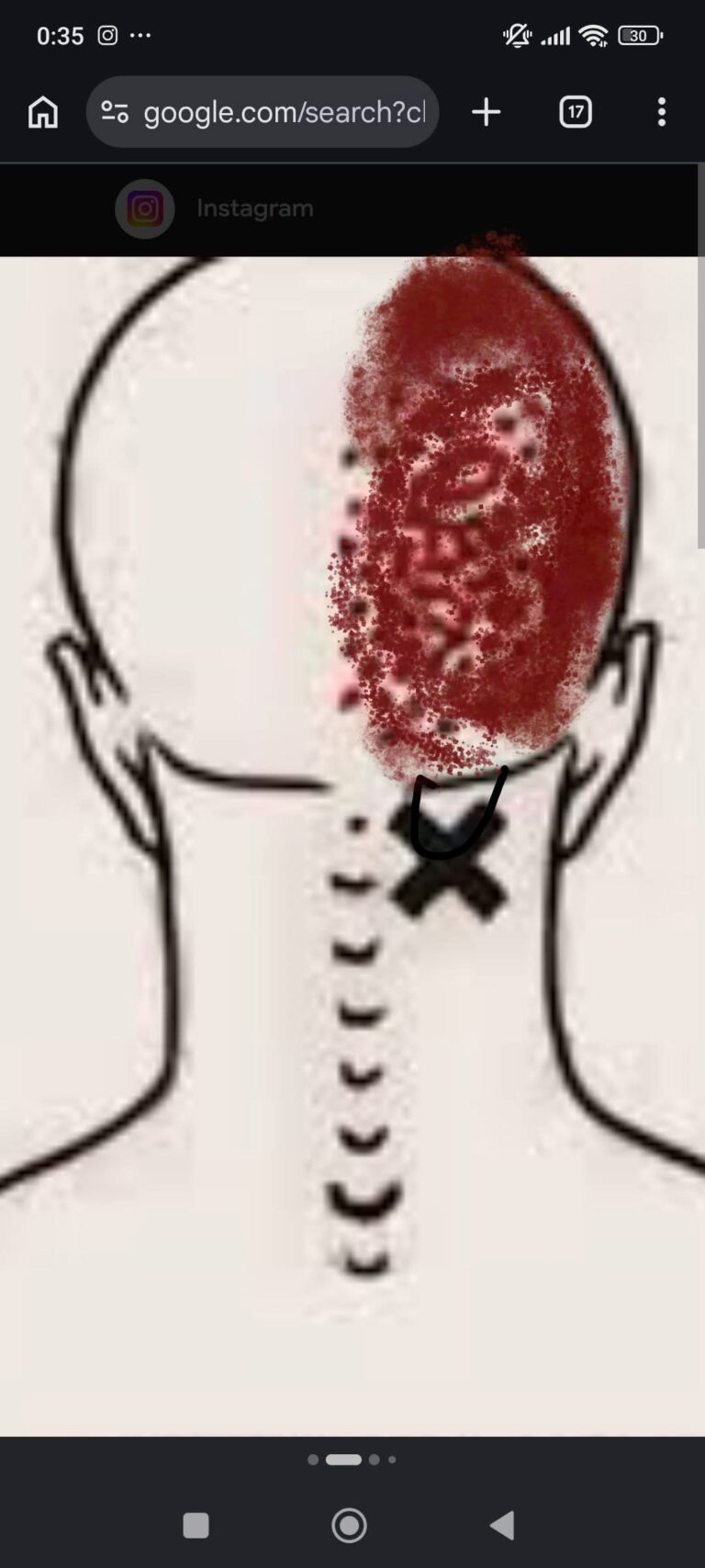
TrPs feel like hard nodules under your skin and are usually about the size of a pencil eraser.4 It hurts when you push on them. More important though, is that TrPs cause referred pain, which is a pain in another area of your body. For example, a TrP on the muscle running up the side of your neck can cause pain on the top of your head as well as what feels like sinus pain under your eyes.
In the Ge study, researchers were able to reproduce fibromyalgia muscle pain—those seemingly random pains that crop up in areas where nothing is wrong with the tissues—by manipulating TrPs.3 They concluded that TrPs caused muscle spasms which were largely responsible for fibromyalgia pain.
Of course, a single study is never conclusive. Our muscle spasms could also be caused by other things, such as our overactive nerves, nutrients deficiencies or any number of other things.
Treating Muscle Spasms
Muscle spasms can be hard to get rid of, so, fortunately, we have a lot of options.
Things you can try at home include:
Heat, ice, or alternating between the two
Topical pain medications like Aspercreme, Tiger Balm, or BioFreeze
Relaxation/meditation
Gentle stretching/yoga
Epsom salt baths
Self-massage
Rest
Nutritionally, several things are believed to help with muscle pain. While they generally haven’t been studied specifically for fibromyalgia, foods, and supplements that may help include:
Magnesium and malic acid (separately or together, as magnesium malate)
Potassium-rich foods such as dates, bananas, apricots, cantaloupe, grapefruit, peas, beans, potatoes, fish, and beef liver
Calcium (because cells need twice as much calcium to relax a muscle as they do to tighten one)
Vitamin D (which tends to be deficient in fibromyalgia.)
Healthcare providers also have a variety of tools for helping relax tight muscles, such as:
Trigger-point injections
Acupuncture (which is one of the preferred treatments for TrPs)
Therapeutic massage, chiropractic, and other manual therapies
Physical therapy
Prescription anti-inflammatories and muscle relaxers
A 2002 study (Gur) suggested that low-level laser therapy may help alleviate the muscle spasms, and the pain they cause, in fibromyalgia.5 Several subsequent studies of this treatment have also been positive, although not all of them looked specifically at the impact on muscle spasms.
Lifestyle Changes
You might also be able to make changes in your lifestyle to help alleviate or avoid muscle spasms. These could include:
Making your workstation more ergonomic
Improving your posture
Changing where or how you sit to watch TV
Finding a pillow that gives you better support
Wearing good shoes or insoles
It can pay to really examine your habits and see what things you do that may aggravate your muscles and make simple changes. If you need help fixing your posture, you may want to talk to your healthcare provider about physical therapy.