Low Serotonin: How It Affects Health and Depression
Low Serotonin: How It Affects Health and Depression
Key Takeaways
- Low serotonin can cause mood and anxiety problems, stomach aches, headaches, and fatigue.
- Serotonin helps control mood, digestion, sleep, wound healing, and bone health.
- Low serotonin is a common feature in depression and other mood disorders.
Low serotonin is linked to mood disorders like depression and anxiety, affecting various bodily functions. Understanding serotonin’s role can help manage these conditions effectively.
What Is Serotonin?
Serotonin, or 5-hydroxytryptamine (5-HT), is a neurotransmitter that influences both the central nervous system (brain and spinal cord) and the peripheral nervous system (nerves outside the brain and spinal cord). It also functions as a hormone.1
As with all neurotransmitters, serotonin passes chemical messages from one neuron (nerve cell) to the adjacent target cell (either another nerve cell, muscle cell, or gland). These chemical messages direct how your body works.
Around 90% of serotonin is found in the cells lining your gastrointestinal tract and is released into your circulating blood. The remaining 10% is produced in your brain.2
Thereafter, serotonin circulating in the blood binds to and activates cellular receptors on different cells in your body, known as serotonin receptors. In all, there are seven classes of serotonin receptors in your body, including the brain, digestive tract, bone, and skin.2
What Does Serotonin Do in the Body?
Serotonin activates various receptors to regulate functions in the brain and body, such as:
- Moods: Serotonin is often called a “feel-good” hormone because it acts directly on the brain to elevate moods and help you feel calmer, more focused, and emotionally stable.1
- Digestion: Most of the serotonin in your body is in the digestive tract, where it stimulates muscle contractionto move food through the intestine. It also helps regulate appetite and influences sensations like nausea and satiation (feeling full).3
- Sleep: Serotonin, together with another neurotransmitter called dopamine, plays a role in the duration and quality of sleep. Your brain also needs serotonin to produce melatonin, a hormone that helps regulate the sleep-wake cycle.4
- Wound healing: Serotonin released from the digestive tract is absorbed by blood cells called platelets that help form blood clots. Whenever there is a wound, serotonin released from platelets causes local blood vessels to narrow, making it easier to form clots to stem bleeding.5
- Bone health: Serotonin also plays a role in bone density. It acts on the part of the brain that regulates the breakdown of bone during a process called bone remodeling (used to continuously rebuild and stabilize bone).6
What Low Serotonin Levels Do
Low serotonin can impair the function of the brain, digestive tract, and other organ systems, triggering an array of possible symptoms, including:7
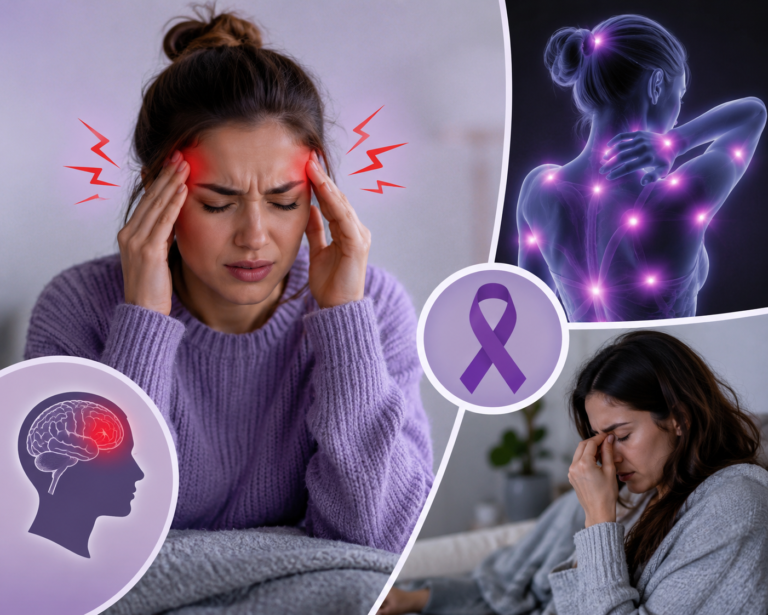
- Mood and anxiety problems
- Sleep disturbances
- Digestive problems, like stomach pain and loss of appetite
- Physical signs, like headache, fatigue, and temperature changes
Certain psychiatric conditions are also linked to low serotonin. While low serotonin doesn’t “cause” these conditions (as was once thought in a debunked theory known as “serotonin deficiency”), it is considered a contributing factor to many of these.8
These include conditions like:
- Depression7
- Anxiety and anxiety disorders7
- Schizophrenia7
- Obsessive-compulsive disorder (OCD)9
- Panic disorder9
- Post-traumatic stress disorder (PTSD)9
- Substance use disorder7
Low serotonin is also thought to contribute to chronic pain, digestive disorders like irritable bowel syndrome, Alzheimer’s disease, Parkinson’s disease, and autism spectrum disorder, although its exact role in these and other conditions remains under investigation.1011
Does Low Serotonin Cause Depression?
Although low serotonin is characteristic of clinical depression, there is no evidence that low serotonin “causes” depression or that depression is the result of any “chemical imbalance.”8
Depression is now understood to be a complex condition with multiple causes—involving genetics, personality traits, emotional trauma, and various social factors—rather than being due solely to low serotonin.12
Causes of Low Serotonin
Low serotonin implies the inadequate production of serotonin by the body. However, the same problems can arise if you have ample serotonin, but either lack serotonin receptors or have malfunctioning receptors.
Possible causes for this include:
-
- Genetics: Certain gene mutations, like SLC6A4, affect serotonin reuptake (reabsorption), removing excessive serotonin from circulation. THP2 mutations can also interfere with the synthesis of serotonin, while HTRIA mutations can reduce the tone of serotonin receptors.13
- Hormonal changes: Fluctuating levels of estrogen during pregnancy, periods, or menopause can cause drops in serotonin levels, leading to mood disturbances.14
- Aging: Older age is associated with the gradual depletion of serotonin receptors. Those remaining may also experience a decline in their function.7
- Stress: Chronic stress triggers the release of the stress hormone cortisol, which increases serotonin reuptake. The same can occur with chronic sleep deprivation, which can cause sustained spikes in cortisol production.15
- Emotional trauma: Trauma, especially when severe, chronic, or experienced during childhood, can cause long-lasting changes to the serotonin system. This can lead to lower density of serotonin receptors, impaired serotonin production, and increased serotonin reuptake.16
- Nutrient deficiency: As your body needs the amino acid tryptophan to make serotonin, a diet lacking tryptophan-rich foods can cause serotonin levels to drop. Deficiencies in vitamin D, vitamin B6, and omega-3 fatty acids also play a role.7
- Substance abuse: The overuse of alcohol, opioids like fentanyl, and illicit drugs like MDMA (ecstasy) can cause the severe depletion of serotonin.17
How Low Serotonin Is Treated
Low serotonin isn’t treated in the same way as conditions like low testosterone or low estrogen. This is because low serotonin doesn’t inherently translate to illness. Even if blood tests reveal levels to be low, it is not treated unless there are symptoms of a potential underlying issue, like depression.18
With that said, certain people may benefit from lifestyle changes that promote serotonin production. This includes those experiencing chronic fatigue, depression, anxiety, or sleep difficulties.
Some of the lifestyle changes that promote serotonin production include: