
Anyone Else Have Arms and/or Legs That Do This?
Anyone Else Have Arms and/or Legs That Do This?
Understanding Muscle Twitching, Jerking, Trembling, and Strange Limb Sensations in Fibromyalgia
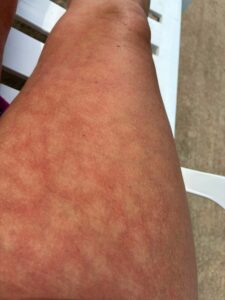
If you’ve ever found yourself asking, “Does anyone else’s arms or legs do this?”, you’re far from alone. Many people living with fibromyalgia experience unusual sensations in their arms and legs that can be confusing, frustrating, and sometimes frightening. These symptoms can appear without warning, last for a few seconds or several hours, and may interfere with daily life or sleep.
While fibromyalgia is best known for causing widespread pain, it also affects how the brain and nervous system process signals. This can lead to muscle twitching, trembling, jerking, weakness, numbness, tingling, and other unusual sensations—even when medical tests appear normal.
Common Arm and Leg Symptoms
People with fibromyalgia often describe symptoms such as:
Muscle twitching (small involuntary movements)
Sudden muscle jerks
Trembling hands or legs
Legs that shake when standing
Arm weakness
Heavy or “rubbery” legs
Tingling or “pins and needles”
Burning sensations
Electric shock feelings
Muscle cramps
Tight muscles
Restless legs, especially at night
Not everyone experiences the same symptoms, and they may come and go.
Why Does It Happen?
Researchers believe these symptoms are linked to changes in how the central nervous system processes pain and sensory information.
Fibromyalgia is associated with central sensitization, meaning the brain becomes more sensitive to signals from the body. Instead of filtering out harmless sensations, the nervous system may amplify them, making even normal muscle activity feel uncomfortable or painful.
Several factors may contribute, including:
Overactive pain pathways
Poor sleep
Chronic stress
Fatigue
Muscle tension
Reduced physical conditioning
Nerve hypersensitivity
Muscle Twitching
Muscle twitching is one of the most frequently reported symptoms.
It may occur in:
Arms
Thighs
Calves
Hands
Feet
Eyelids
Shoulders
These twitches are usually brief but can occur repeatedly throughout the day.
Common triggers include:
Fatigue
Stress
Poor sleep
Overexertion
Anxiety
Caffeine in some individuals
Trembling and Shaking
Some people notice that their legs shake when:
Walking downstairs
Standing for long periods
Rising from a chair
Carrying groceries
Climbing stairs
Others notice hand tremors while holding a cup, writing, or using a phone.
These symptoms may worsen during a fibromyalgia flare.
Heavy Legs
Many patients describe their legs as feeling:
Like concrete
Extremely heavy
Weak
Difficult to move
Even short walks may feel exhausting during a flare-up.
Tingling and Numbness
Some individuals experience:
Pins and needles
Numb fingertips
Burning feet
Cold hands
Crawling sensations on the skin
Although these symptoms resemble nerve disorders, nerve conduction studies are often normal in fibromyalgia.
Restless Legs Syndrome
Restless Legs Syndrome (RLS) is more common in people with fibromyalgia.
Symptoms include:
An irresistible urge to move the legs
Symptoms worsening in the evening
Temporary relief after movement
Difficulty falling asleep
Treating RLS can improve sleep quality and reduce fatigue.
The Role of Sleep
Poor sleep can make every symptom worse.
When restorative sleep is disrupted:
Pain increases.
Muscles become more sensitive.
Twitching may become more noticeable.
Fatigue worsens.
Recovery slows.
Improving sleep is one of the most effective ways to reduce symptom severity.
Stress and Flare-Ups
Stress affects the nervous system and can increase muscle tension.
Many people notice worsening symptoms after:
Emotional stress
Busy days
Illness
Lack of sleep
Weather changes
Learning stress-management techniques may help reduce flare frequency.
Can Exercise Help?
Gentle movement often helps more than complete rest.
Recommended activities include:
Walking
Stretching
Water exercises
Yoga
Tai Chi
Light strength training
Start slowly and increase activity gradually to avoid triggering a flare.
Nutrition and Hydration
A balanced diet and adequate hydration support overall health.
Some people find symptom improvement by:
Drinking enough water
Eating plenty of fruits and vegetables
Including lean protein
Limiting highly processed foods
Reducing excess caffeine if it triggers twitching
Responses vary, so keeping a symptom diary may help identify personal triggers.
When Should You See a Doctor?
Although muscle twitching and unusual limb sensations can occur with fibromyalgia, you should seek medical evaluation if you experience:
Sudden weakness in one arm or leg
Loss of bladder or bowel control
Persistent numbness affecting one side
Severe swelling
Difficulty speaking
Sudden vision changes
Symptoms that rapidly worsen
These symptoms may indicate a different medical condition that requires prompt attention.
Living With These Symptoms
Many people find that symptoms become easier to manage by:
Pacing daily activities
Prioritizing sleep
Managing stress
Staying gently active
Following their treatment plan
Taking regular breaks
Listening to their body’s limits
Connecting with support groups can also provide reassurance that you’re not alone.
Final Thoughts
If you’ve ever wondered, “Does anyone else’s arms or legs do this?”, the answer is yes—many people with fibromyalgia report muscle twitching, trembling, weakness, tingling, heaviness, or restless legs. These symptoms are believed to be related to changes in how the nervous system processes pain and sensory signals rather than damage to the muscles themselves.
While these sensations can be unsettling, they are often manageable with a combination of good sleep, gentle exercise, stress reduction, and appropriate medical care. If your symptoms are new, severe, or different from your usual fibromyalgia pattern, it’s important to consult a healthcare professional to rule out other possible causes.