Does anyone else get raynauds phenomenon just in the toes?
Absolutely—Raynaud’s can affect the toes, fingers, or both, and symptoms can include coldness, numbness, tingling, and temporary color changes such as white/blue/red.
Mayo Clinic
Does Anyone Else Get Raynaud’s Phenomenon Just in the Toes?
Have you ever noticed your toes suddenly becoming cold, numb, or strangely discolored?
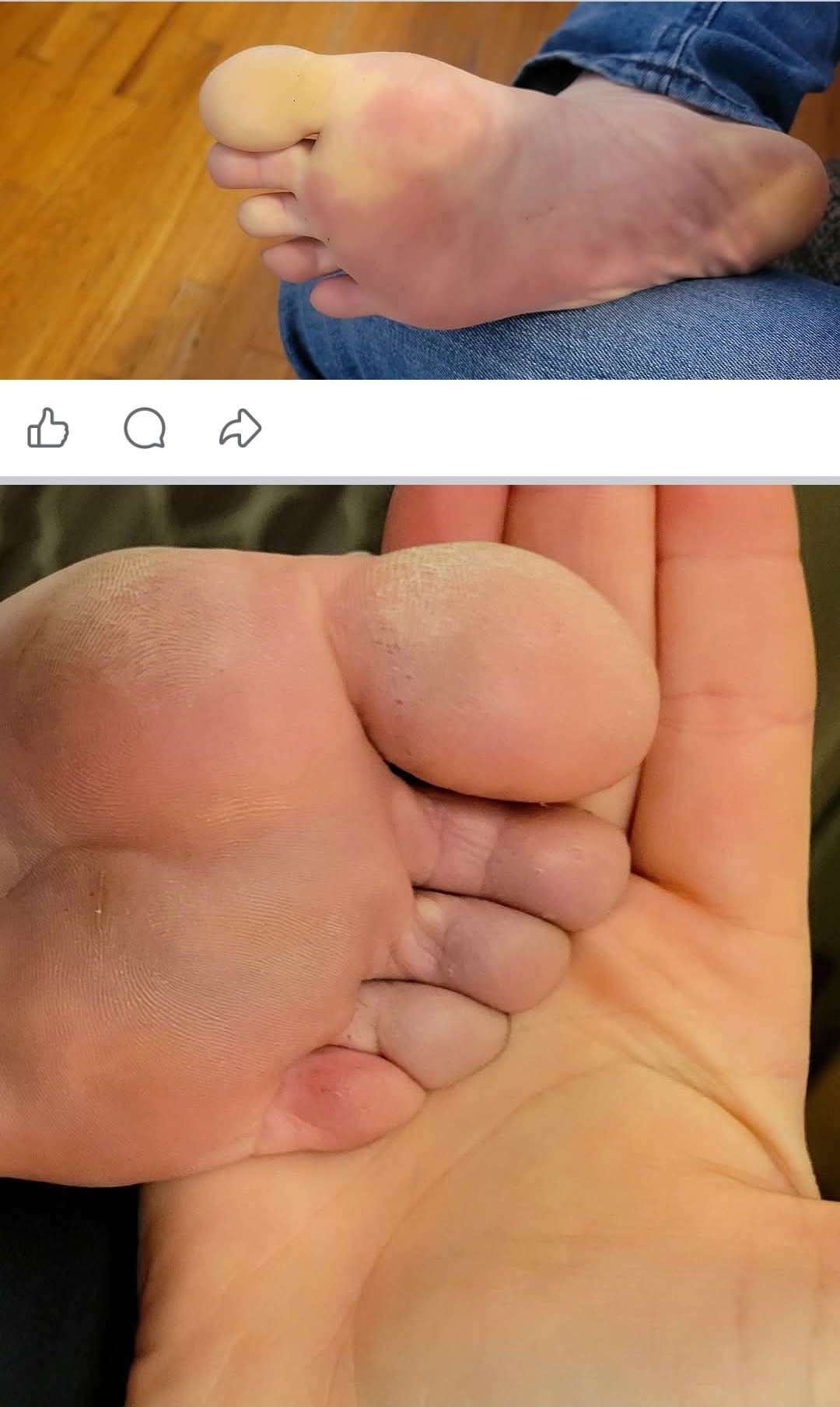
Maybe your toes turn pale, bluish, or even slightly purple when you are cold.
Then, after warming up, the color gradually returns.
For some people, this experience can be frightening.
They may wonder whether something is wrong with their circulation.
They may also notice similar symptoms in their fingers.
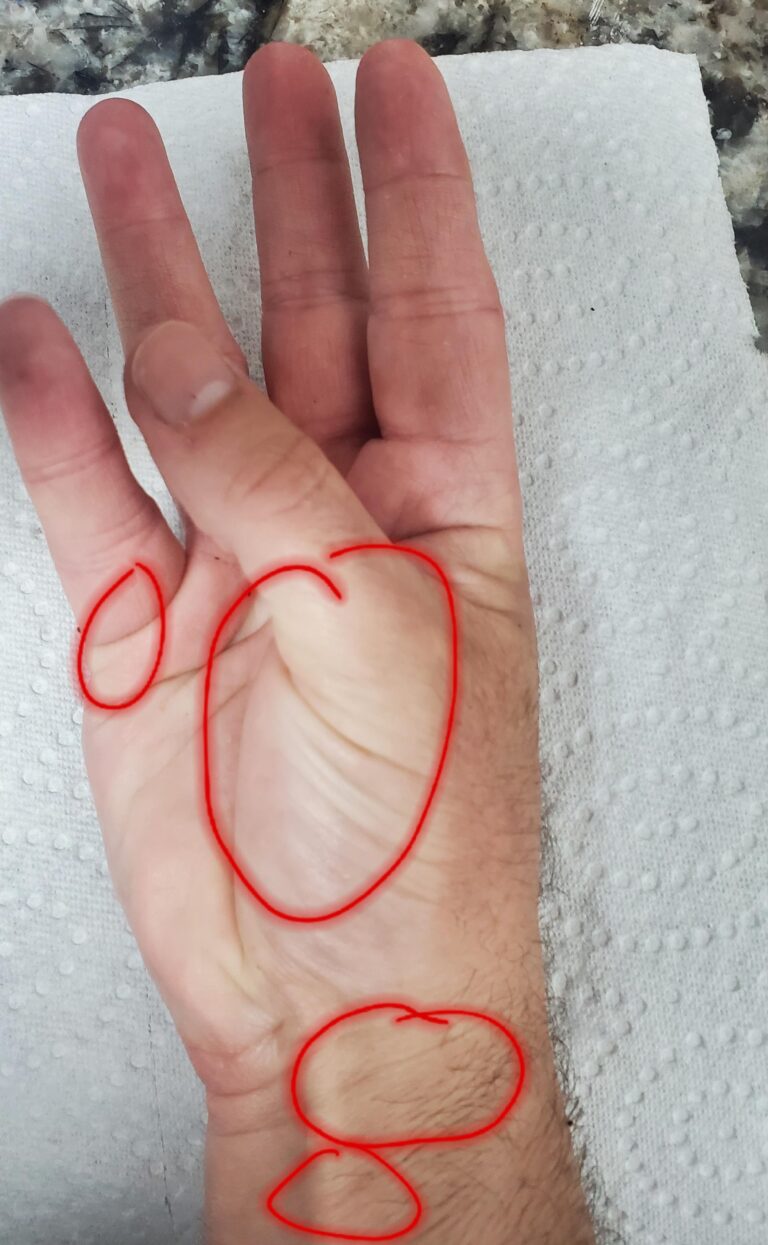
A slight bluish tinge in the fingers.
Numbness.
Tingling.
Cold fingertips.
Or a feeling that the fingers are temporarily “not getting enough blood.”
One possible explanation is Raynaud’s phenomenon.
Raynaud’s happens when small blood vessels narrow temporarily, reducing blood flow to affected areas.
It most commonly affects the fingers and toes.
It can happen in the fingers alone.
It can happen in the toes alone.
And it can affect both.
So yes, it is possible for someone to notice Raynaud-like symptoms mainly in their toes.
What Does Raynaud’s Feel Like?
Raynaud’s symptoms can vary from person to person.
For some people, the first sensation is coldness.
For others, numbness comes first.
Some people notice a color change before they feel anything else.
The affected area may become unusually pale.
It may then develop a bluish color.
When circulation returns, the area may become redder and feel warm.
Tingling can occur as the blood flow returns.
Some people describe a throbbing sensation.
Others describe pins and needles.
The symptoms can last several minutes.
Sometimes they can last longer.
Cold temperatures are one of the most common triggers.
Emotional stress can also trigger an episode.
Even a sudden change in temperature can be enough.
For example, walking into an air-conditioned room may trigger symptoms in some people.
Cold water can also be a trigger.
Holding something cold may trigger symptoms in the fingers.
Standing barefoot on a cold floor may trigger symptoms in the toes.
Can Raynaud’s Affect Only the Toes?
Yes.
Raynaud’s commonly affects fingers and toes, but not everyone experiences symptoms in exactly the same places.
Some people may notice their toes are much more affected than their fingers.
Others may experience symptoms mostly in their hands.
Some experience both.
The important thing is to notice the pattern.
Does it happen when you are cold?
Does stress make it worse?
Does warming the area gradually improve the symptoms?
Does the color return to normal afterward?
These details can help a healthcare professional determine whether Raynaud’s is a likely explanation.
What About Slightly Blue Fingers?
A slight bluish tinge can occur during a Raynaud’s episode because blood flow to the affected area temporarily decreases.
However, a blue finger or toe does not automatically mean that the cause is Raynaud’s.
There are other possible causes of color changes and numbness.
That is why persistent or unexplained symptoms deserve medical attention.
Raynaud’s is diagnosed based on the pattern of symptoms and, when appropriate, further evaluation.
Primary and Secondary Raynaud’s
Doctors generally distinguish between primary and secondary Raynaud’s.
Primary Raynaud’s occurs without another underlying disease causing it.
It is generally the more common and less severe form.
Secondary Raynaud’s occurs because of another condition, medication, or other factor.
Some autoimmune and connective-tissue diseases can be associated with secondary Raynaud’s.
Because secondary Raynaud’s can sometimes be more serious, doctors may want to investigate unusual or severe symptoms.
This does not mean that having Raynaud’s automatically means someone has an autoimmune disease.
Most importantly, symptoms should be evaluated in context.
Raynaud’s and Chronic Illness
People living with chronic illnesses sometimes become especially aware of circulation changes.
They may notice symptoms that they previously ignored.
They may also wonder whether several symptoms are connected.
If you already experience chronic pain, fatigue, headaches, numbness, or temperature sensitivity, a new symptom can understandably feel confusing.
It is important not to assume that every symptom comes from the same condition.
Raynaud’s has its own pattern.
Other circulation problems can have different patterns.
Nerve-related problems can also cause numbness.
A healthcare professional can help distinguish between them.
Why Do Toes Turn Blue?
During a Raynaud’s episode, the small blood vessels narrow.
This temporarily reduces blood flow to the skin.
Reduced blood flow can produce a pale or bluish appearance.
The affected area may also feel cold.
It may become numb.
Once blood flow improves, the color can change again.
The area may become warm.
Tingling may occur.
Sometimes there can be temporary throbbing or swelling.
These changes can look dramatic even when the episode is temporary.
Is Raynaud’s Dangerous?
For many people, Raynaud’s is mild.
It may simply be uncomfortable or inconvenient.
However, severe Raynaud’s—particularly secondary Raynaud’s—can sometimes cause complications.
That is why severe, worsening, or persistent symptoms should not simply be ignored.
A healthcare professional should evaluate symptoms that are unusual for you.
Particular attention is important if you develop sores, infections, or significant skin changes on the fingers or toes.
Keeping Warm
Keeping the affected areas warm is one of the simplest ways to reduce episodes.
Warm socks can help protect the toes from cold temperatures.
Warm gloves can help protect the fingers.
Avoiding sudden temperature changes may also help.
If your feet become cold easily, keeping them covered can be useful.
Try not to go from a warm environment directly into very cold conditions without protection.
The same applies to your hands.
Pay Attention to Triggers
Everyone’s triggers can be different.
Cold weather may be the biggest trigger for one person.
Stress may be more important for another.
Cold water may trigger symptoms.
Air conditioning may trigger symptoms.
Some people notice symptoms when handling frozen food.
Keeping a simple symptom diary can help identify patterns.
Write down when the episode happened.
Record whether your fingers or toes changed color.
Note whether they became numb or painful.
Record what you were doing immediately beforehand.
Also note how long the episode lasted.
This information can be useful when talking with a healthcare professional.
What If It Happens Only in the Toes?
If your toes repeatedly become cold, numb, or discolored, it is reasonable to mention this to your doctor.
The fact that your fingers are only mildly affected does not necessarily rule out Raynaud’s.
The pattern matters more than whether every finger and toe is affected.
A healthcare professional may ask questions about:
When the symptoms began.
How frequently they happen.
How long they last.
Whether cold triggers them.
Whether stress triggers them.
Whether the color changes.
Whether there is pain.
Whether there are skin sores.
Whether other symptoms are present.
They may also ask about your medical history and medications.
Don’t Ignore Persistent Numbness
Not all numbness is caused by Raynaud’s.
Numbness can have many causes.
Nerve irritation is one possibility.
Peripheral neuropathy is another.
Certain medical conditions can affect nerves.
Some medications can contribute to symptoms.
Circulation problems can also cause changes.
Therefore, persistent numbness should be assessed rather than automatically labeled as Raynaud’s.
When Should You Seek Medical Advice?
Consider speaking with a healthcare professional if your symptoms are severe.
You should also seek medical advice if the symptoms are getting worse.
Repeated unexplained color changes deserve attention.
Persistent numbness deserves attention.
Painful episodes should be discussed with a healthcare professional.
Skin sores on affected fingers or toes should be evaluated.
Signs of infection should not be ignored.
Sudden and severe changes should receive prompt medical assessment.
The NHS also recommends medical evaluation when Raynaud’s symptoms are very bad or worsening.
What Can You Do During an Episode?
If you think you are experiencing a Raynaud’s episode, moving into a warmer environment can help.
Keep your hands and feet comfortably warm.
Avoid sudden exposure to cold.
Allow the affected area to warm gradually.
Pay attention to whether the color and sensation return toward normal.
If episodes are frequent or severe, discuss them with a healthcare professional.
Do not assume that every blue or numb toe is Raynaud’s.
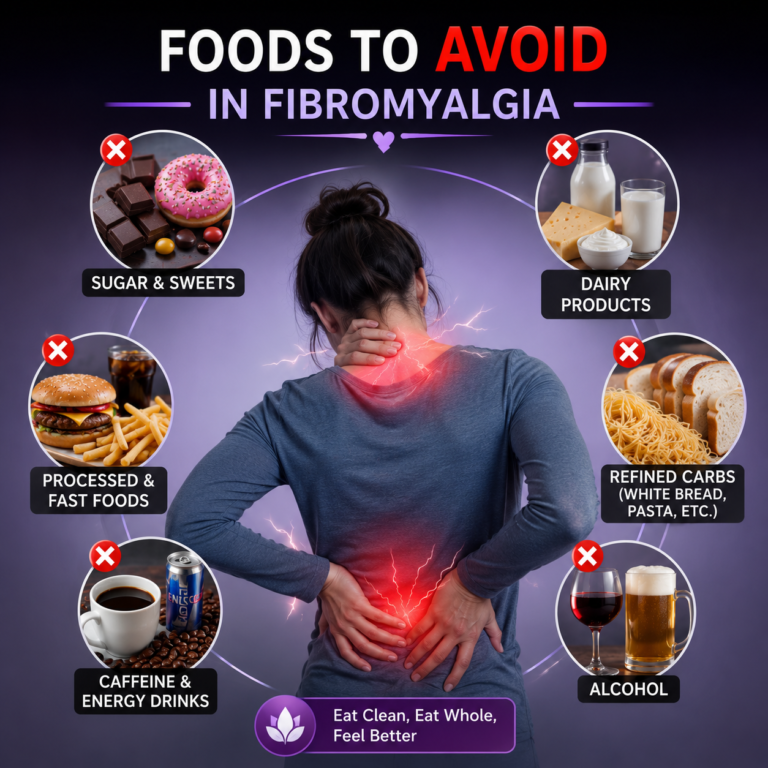
What About Caffeine and Smoking?
Some people notice that certain habits can worsen their symptoms.
The NHS advises people with Raynaud’s to avoid smoking because it can affect circulation.
It also suggests limiting excessive caffeine if it triggers symptoms.
These recommendations are particularly worth discussing with a healthcare professional if episodes are frequent.
Could Stress Trigger Raynaud’s?
Yes.
Cold is a major trigger, but stress can also cause blood vessels to narrow.
Some people notice symptoms during periods of anxiety or emotional stress.
This can create a frustrating cycle.
You become stressed.
Your fingers or toes become cold.
They change color.
The unusual appearance makes you more worried.
The worry can make the experience feel even more intense.
Learning your personal triggers can help you understand the pattern.
Raynaud’s and Fibromyalgia
Many people in chronic-illness communities wonder whether Raynaud’s and fibromyalgia are connected.
Having symptoms of one condition does not automatically mean that another condition is present.
Fibromyalgia can involve widespread pain and altered pain processing, while Raynaud’s involves temporary narrowing of small blood vessels.
If someone with fibromyalgia develops repeated episodes of cold, numb, or discolored fingers or toes, it is still worth discussing those symptoms separately with their healthcare professional.
A doctor can decide whether additional evaluation is appropriate.
Everyone’s Experience Is Different
One person may experience dramatic color changes.
Another may notice only a slight bluish tinge.
One person may have symptoms mainly in the fingers.
Another may experience them primarily in the toes.
Someone else may experience both.
Some people have occasional episodes.
Others have frequent symptoms.
There is no single experience that fits everyone.
That is why sharing experiences can be helpful—but personal experiences should not replace medical diagnosis.
A Question for the Community
Does anyone else experience Raynaud’s phenomenon mainly in their toes?
Do your toes become extremely cold?
Do they become numb?
Do they change color?
Do your fingers also develop a slight bluish tinge?
Does cold weather make everything worse?
Does stress trigger your symptoms?
How long do your episodes usually last?
Do your symptoms improve once you warm up?
Have you discussed the symptoms with your doctor?
Have you been diagnosed with primary or secondary Raynaud’s?
Sharing experiences can help others realize they are not alone.
At the same time, anyone experiencing new, severe, worsening, or persistent symptoms should seek appropriate medical advice.
Final Thoughts
Raynaud’s phenomenon can affect the fingers, toes, or both.
Temporary coldness, numbness, and color changes can occur because the small blood vessels narrow and reduce blood flow.
For many people, episodes are manageable.
Keeping warm and avoiding known triggers can help.
But unexplained or worsening symptoms should not automatically be assumed to be Raynaud’s.
If your toes repeatedly become blue, numb, painful, or unusually cold, talk with a healthcare professional.
Your symptoms are worth understanding.
And if you have experienced something similar, you are certainly not the only person wondering:
“Does anyone else get Raynaud’s just in their toes?”
Medical note: This article is for awareness and discussion, not diagnosis. Raynaud’s commonly affects fingers and toes, but other conditions can also cause blue discoloration or numbness.