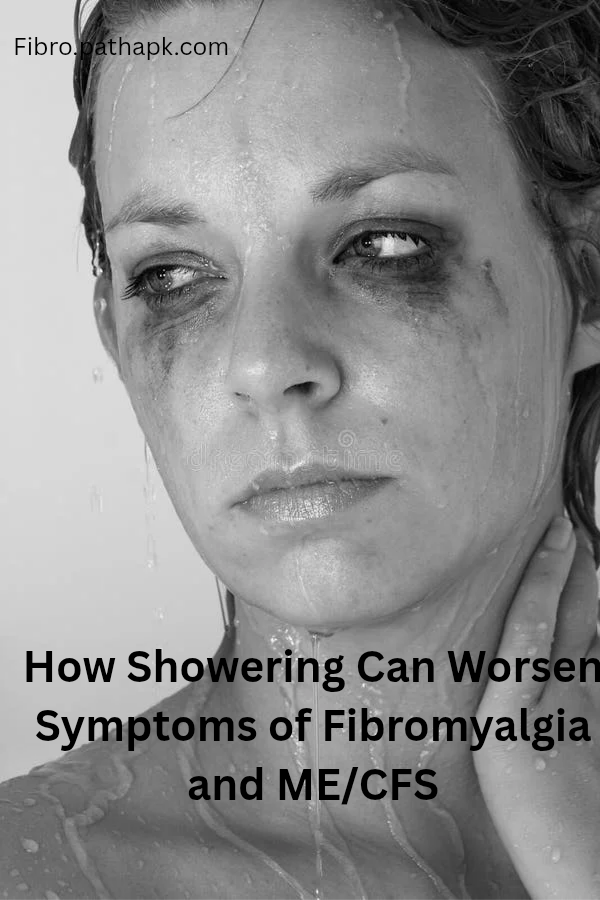
How Showering Can Worsen Symptoms of Fibromyalgia and ME/CFS
How Showering Can Worsen Symptoms of Fibromyalgia and ME/CFS
You may have body aches, feel weak, or get dizzy in or after a shower
Exertion
Too Much Relaxation
Heat Sensitivity
Blood Pressure Drops
Nerve Response
Showering can make fibromyalgia and ME/CFS symptoms worse because of heat sensitivity and energy exertion.
Hot showers might cause dizziness due to abnormal blood pressure drops.
Physical stress from the water pressure can increase pain due to nerve sensitivity.
Showering might aggravate fibromyalgia or chronic fatigue syndrome (ME/CFS) symptoms because of heat and exertion. Knowing how to mitigate these effects can improve your daily routine.
woman taking a shower
Exertion
A shower requires more energy than many people realize. You’re standing, bending, stretching, and reaching as you lather up.
Most people can handle this exertion, but for those with ME/CFS, even small activities might be overwhelming. This is due to a symptom called post-exertional malaise (PEM), a key feature of this condition.
People with PEM have difficulty recovering after everyday activities like showering, dressing, or washing dishes.
PEM symptoms can include severe fatigue, flu-like symptoms, pain, and worsening of other symptoms.1
Too Much Relaxation
Both fibromyalgia and ME/CFS can overlap with sleep disorders like insomnia, sleep apnea, and restless legs syndrome.23 They also involve unrefreshing sleep.
Though a hot shower can help relax tight muscles and connective tissue, this relaxation might not be beneficial if you’re facing severe fatigue.
If you plan to shower, try to avoid mornings when you struggle most to get moving.
Temperature Sensitivity
Temperature sensitivity is linked to both fibromyalgia and ME/CFS. Abnormalities in the autonomic nervous system may make it difficult for the body to maintain normal temperature.
A hot shower can make you overheat, requiring extra effort to cool down. Some people sweat excessively after a shower because of this.4
In some cases, temperature sensitivity can worsen other symptoms, so it’s helpful to avoid triggers.
Blood Pressure Drops
People with ME/CFS may experience dizziness due to a symptom called orthostatic intolerance, which means they get dizzy upon standing. This is caused by a drop in blood pressure.5
Other symptoms of orthostatic intolerance can include lightheadedness, weakness, a racing heart, and vision changes like blurred vision or seeing spots.6
The heat of the shower and the movement required can make it harder for your body to maintain balance.
People with fibromyalgia may also have orthostatic intolerance.7 However, there are different causes of dizziness in fibromyalgia compared to ME/CFS.
Heightened Nerve Response
The pressure of water hitting your skin can get your nerves riled up.
For some, it hurts while they’re under the spray. Others might not hurt until after a shower when they feel the cumulative effects of stimulating their overreactive nerves.
Erroneous pain signals can cause widespread body aches. The pain may be described as burning, aching, stabbing, or tingling.8
This phenomenon is called allodynia, which is pain caused by something that wouldn’t normally hurt. There’s a thermal form of allodynia that could make the heat of a shower even harder to tolerate.
Allodynia is almost universal in fibromyalgia and some people with ME/CFS experience it, as well.9
What You Can Do
Taking a bath is an easy solution to some of the problems that showering can cause you.
This is especially true for dizziness, exertion, and a heightened nerve response, since you can rest while cleaning yourself and aren’t under a steady stream of water.
A bath also tends to steam up the bathroom less, so you may have an easier time cooling off when you get out.
If you don’t have time for a soak, don’t have a bathtub, or simply prefer showers, these tips can help:
Use a shower stool: Sitting down means you’ll be doing less bending and stretching, and it could prevent dizziness while conserving energy.
Use cooler water in the shower: If hot water has a negative impact on you, you can always dial the temperature down.
In either case, it might be better to bathe or shower in the evening instead of in the morning. This will prevent you from becoming too relaxed when you’re trying to find energy to start the day and may help you get better sleep at night.
When taking a bath or a shower requires more exertion than you can muster, have someone help you in and out of the tub or shower, or use body-cleansing wipes and dry shampoo to freshen up.
By Adrienne Dellwo
Dellwo was diagnosed with fibromyalgia in 2006 and has over 25 years of experience in health research and writing.
Verywell Health’s content is for informational and educational purposes only. Our website is not intended to be a substitute for professional medical advice, diagnosis, or treatment.