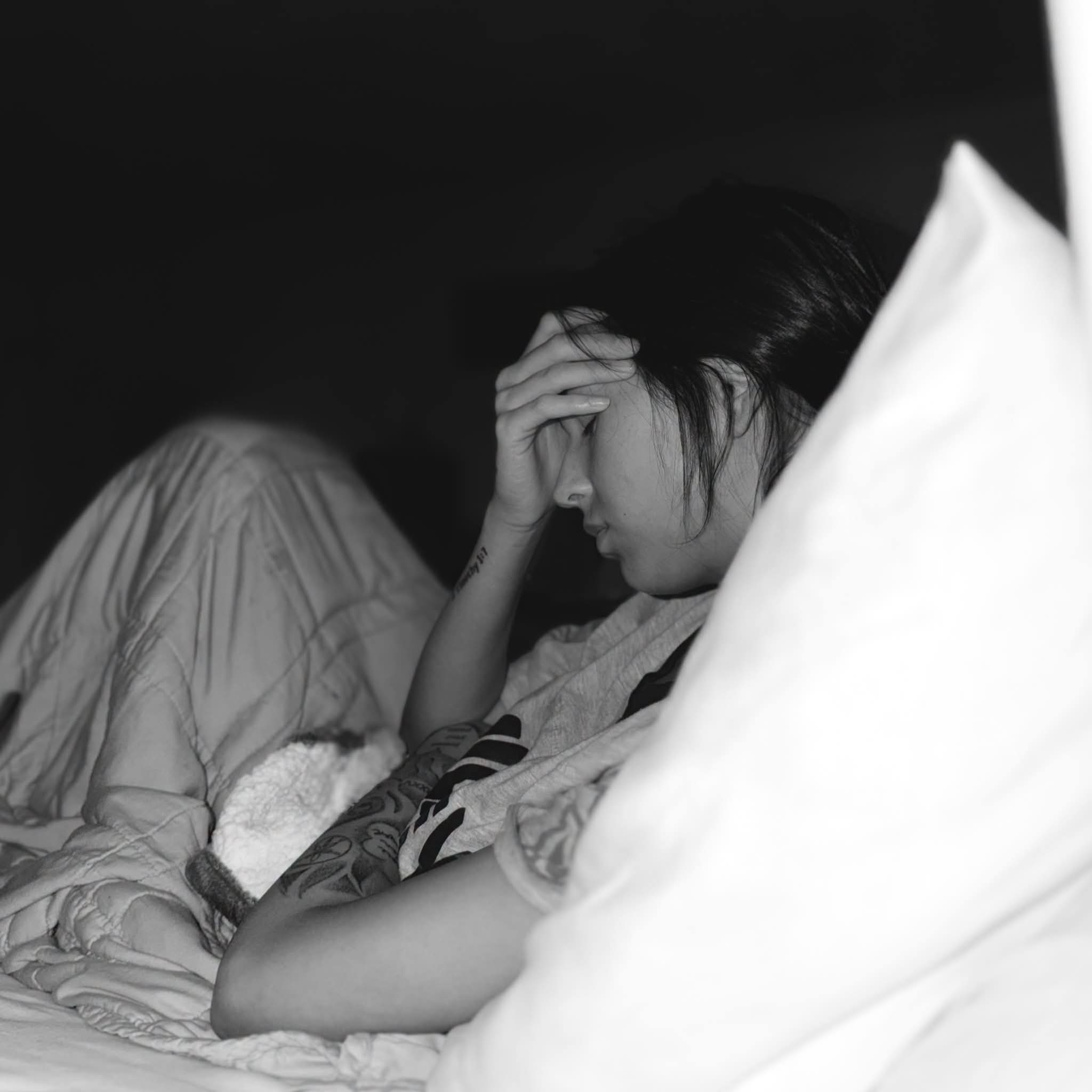
The hardest part of chronic illness isn’t always the daytime. Sometimes it’s the night.
The hardest part of chronic illness isn’t always the daytime. Sometimes it’s the night.
The world goes quiet, but your body doesn’t.
You shift to your left side… it hurts.
You roll to your right… it hurts there too.
You lie on your back… now something else aches.
So you spend the night tossing. Turning. Adjusting pillows. Stretching. Hoping this position will finally be the one that lets you fall asleep.
It never is.
The rest of the house is sleeping peacefully while you’re counting the hours until morning, exhausted but unable to escape the pain long enough to rest.
People ask why you’re always tired.
Because sleep isn’t just about closing your eyes.
It’s about having a body that lets you.
And for so many of us with chronic illness, bedtime isn’t when the pain ends.
It’s when the battle gets louder.
The Hardest Part of Chronic Illness Isn’t Always the Daytime. Sometimes It’s the Night.
When people think about chronic illness, they often picture the visible struggles that happen during the day—doctor appointments, medications, fatigue, pain, and the effort it takes to complete ordinary tasks. What many people never see is what happens after the lights go out.
For millions of people living with chronic illnesses such as fibromyalgia, lupus, rheumatoid arthritis, multiple sclerosis, chronic fatigue syndrome, and other long-term conditions, nighttime can become the most difficult part of the day.
As the world grows quiet, symptoms often become louder.
Pain that seemed manageable during the day may intensify.
Muscles begin to ache.
Joints become stiff.
Nerves may burn, tingle, or throb.
Finding a comfortable sleeping position becomes a challenge.
Some people spend hours turning from one side to the other, hoping to find relief.
Others lie awake, exhausted but unable to sleep.
The body desperately wants rest.
The mind desperately wants peace.
Yet neither comes easily.
Sleep disturbances are common in many chronic illnesses.
Some people struggle to fall asleep.
Others wake repeatedly throughout the night.
Many wake up feeling as though they never slept at all.
Pain interrupts deep sleep.
Fatigue builds with each passing day.
It becomes a cycle that feels impossible to escape.
Night also brings silence.
During the day there are distractions.
Work.
Family.
Television.
Conversations.
Appointments.
Daily responsibilities.
At night, those distractions disappear.
What remains are thoughts.
Worries.
Questions.
Fears.
Many people begin wondering if tomorrow will be a better day.
Some wonder if they will ever feel “normal” again.
Living with chronic illness often means planning life around symptoms.
Plans are cancelled.
Celebrations are missed.
Vacations require careful preparation.
Simple outings demand extra energy.
At night, these realities can feel heavier.
Loneliness is another invisible part of nighttime illness.
Family members may be sleeping peacefully.
Friends may not understand.
Social media often shows everyone else’s happiest moments.
Meanwhile, someone with chronic illness may be lying awake in pain.
Feeling isolated.
Feeling misunderstood.
Feeling forgotten.
Yet they continue fighting every single day.
Mental health is deeply connected to chronic illness.
Long-term pain can increase stress.
Stress can worsen symptoms.
Poor sleep can increase anxiety.
Anxiety can make sleep even harder.
It becomes a circle that many patients know all too well.
Nighttime also reminds people how invisible chronic illness can be.
During the day they may smile.
They may laugh.
They may appear perfectly healthy.
No one sees the hours spent awake after midnight.
No one hears the quiet tears.
No one notices the internal battle.
Chronic illness teaches incredible resilience.
Every morning someone gets out of bed despite little sleep.
They continue caring for their families.
They continue working when possible.
They continue attending appointments.
They continue hoping.
That hope matters.
Small nighttime routines may help some people.
A consistent bedtime.
Gentle stretching if recommended by a healthcare professional.
Relaxing music.
Deep breathing.
Reading a calming book.
Reducing screen time before bed.
Keeping the bedroom cool and comfortable.
Following prescribed treatment plans.
While these strategies may not eliminate symptoms, they may improve comfort for some individuals.
Support also makes a difference.
A kind message.
A listening ear.
Someone saying, “I believe you.”
Compassion cannot cure chronic illness.
But it can make the burden feel lighter.
Caregivers also experience difficult nights.
They worry.
They stay awake.
They provide comfort.
Their support deserves recognition too.
Medical treatment continues to improve.
Researchers around the world are working to better understand chronic illnesses.
New therapies.
Better pain management.
Improved sleep strategies.
Greater awareness.
Every step forward offers hope.
If you know someone living with chronic illness, remember that the hardest moments may happen when no one is watching.
Instead of saying, “You don’t look sick,”
Try saying, “How are you really feeling today?”
Instead of offering judgment,
Offer understanding.
Instead of comparing experiences,
Simply listen.
Sometimes the greatest gift is being present.
For those living with chronic illness:
Your struggle is real.
Your pain is real.
Your exhaustion is real.
Your strength is real.
You are more than your diagnosis.
You are more than your symptoms.
You are more than your limitations.
Every sunrise after a difficult night is a victory.
Every small accomplishment matters.
Every moment of hope matters.
Healing is not always about becoming symptom-free.
Sometimes healing means finding moments of peace despite ongoing challenges.
Night may feel endless.
But morning always comes.
And with every new day comes another opportunity for strength, courage, and hope.
Remember: Chronic illness may steal sleep, comfort, and certainty—but it does not define a person’s worth, resilience, or ability to find meaning and joy in life. Even on the hardest nights, hope remains.