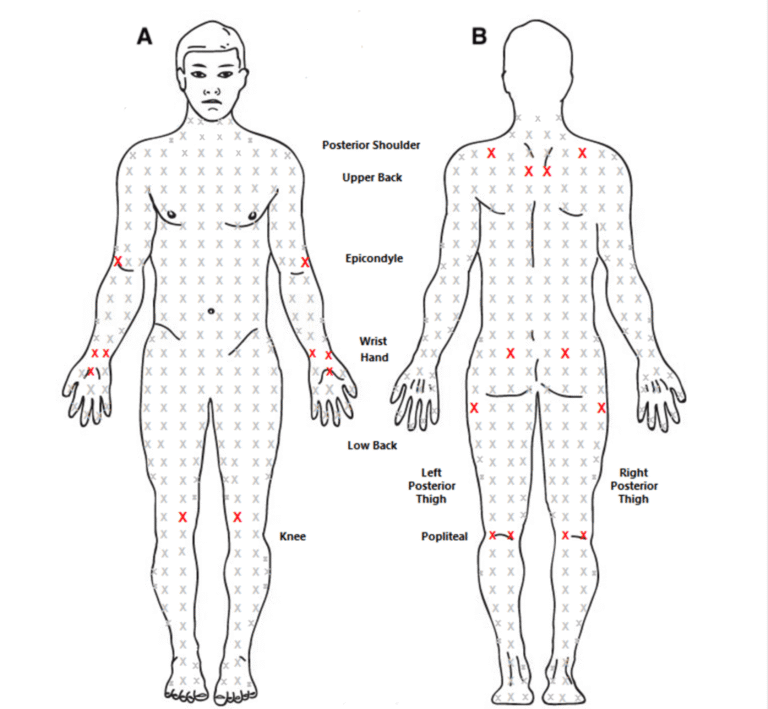
What’s a symptom of fibromyalgia that people wouldn’t think is fibromyalgia?
What’s a Symptom of Fibromyalgia That People Wouldn’t Think Is Fibromyalgia?
Invisible illness stigma: Because patients look fine on the outside, casual observers misjudge the severity of neurological pain processing.
Variable flare-ups: Symptoms change day by day, meaning a patient can be active one afternoon and bedridden the next, which outsiders might misread as inconsistency or dishonesty
Fibromyalgia is often associated with widespread pain.
But pain is only one part of the condition.
Many people are surprised to learn that fibromyalgia can affect much more than muscles and joints.
It can influence sleep, concentration, digestion, mood, energy, and the way the nervous system processes sensations.
Some symptoms can seem completely unrelated to fibromyalgia.
This is one reason fibromyalgia can be so difficult to recognize.
People may experience unusual symptoms for years without realizing they can occur alongside fibromyalgia.
Here are some of the lesser-known symptoms that people may not immediately connect with fibromyalgia.
1. Brain Fog
One of the most commonly misunderstood symptoms is brain fog.
Brain fog can make thinking feel slower than usual.
A person may struggle to find the right word.
They may forget why they walked into a room.
They may lose their train of thought during a conversation.
They may have difficulty concentrating on reading.
They may need more time to process information.
This can be frustrating, especially for someone who normally feels mentally sharp.
Brain fog does not mean a person is unintelligent.
It is often described as a temporary difficulty with attention, memory, and mental processing.
2. Extreme Fatigue
Fibromyalgia fatigue can be much more than ordinary tiredness.
Someone may sleep for many hours and still wake up exhausted.
Simple daily activities can sometimes feel surprisingly demanding.
Getting dressed may require significant effort.
Cooking dinner may feel overwhelming.
A busy day can leave someone needing substantial recovery time.
The fatigue can fluctuate from day to day.
This unpredictability can make planning difficult.
3. Unrefreshing Sleep
A person may technically sleep through the night but still wake up feeling exhausted.
This is called unrefreshing sleep.
The problem is not always simply the number of hours spent in bed.
Sleep quality matters too.
Some people with fibromyalgia experience disrupted or poor-quality sleep.
They may wake repeatedly without fully realizing it.
They may feel as though they barely rested.
This can contribute to daytime fatigue and brain fog.
4. Sensitivity to Touch
A gentle touch can sometimes feel surprisingly painful.
Clothing may feel uncomfortable against sensitive areas.
A hug that would normally feel comforting may occasionally feel unpleasant.
Pressure from a mattress or chair can become uncomfortable.
This increased sensitivity is sometimes called allodynia.
It reflects altered pain processing within the nervous system.
The sensation is real even when there is no obvious injury.
5. Sensitivity to Temperature
Some people with fibromyalgia feel unusually sensitive to heat or cold.
A normal temperature may feel extremely uncomfortable.
Cold environments can make muscles feel stiff or painful.
Hot weather can sometimes worsen fatigue or discomfort.
Temperature changes may also make symptoms more noticeable.
This can make everyday environments surprisingly difficult to tolerate.
6. Headaches and Migraines
Headaches can occur alongside fibromyalgia.
Some people experience frequent tension-type headaches.
Others experience migraine attacks.
Headaches can become especially difficult when combined with poor sleep and fatigue.
Bright lights and loud sounds may also feel harder to tolerate.
The connection is not necessarily obvious to someone unfamiliar with fibromyalgia.
7. Irritable Bowel Symptoms
Digestive problems can occur in people with fibromyalgia.
Some experience abdominal discomfort.
Others experience bloating.
Constipation may occur.
Diarrhea may occur.
Some people alternate between constipation and diarrhea.
These symptoms may overlap with conditions such as irritable bowel syndrome.
Because the symptoms involve the digestive system, people may not immediately connect them with fibromyalgia.
8. Increased Sensitivity to Sound
Everyday sounds can sometimes feel overwhelming.
A television may seem too loud.
Crowded environments may become exhausting.
Several people talking at once can make concentration difficult.
Sudden noises may feel especially irritating.
This can contribute to sensory overload.
9. Sensitivity to Light
Bright lights can sometimes be uncomfortable.
Strong sunlight may trigger discomfort.
Computer screens can become tiring.
Flashing or intense lights may be difficult for some people.
Light sensitivity may be particularly noticeable during headaches or migraines.
10. Tingling and Numbness
Some people with fibromyalgia report pins-and-needles sensations.
Hands or feet may sometimes feel numb.
There may be burning or prickling sensations.
These symptoms can be alarming.
They can also resemble symptoms of neurological conditions.
That is why new or persistent numbness should be discussed with a healthcare professional.
Not every neurological symptom should automatically be blamed on fibromyalgia.
11. Restless Legs
Some people with fibromyalgia also experience restless legs symptoms.
The legs may feel uncomfortable when sitting or lying down.
There can be a strong urge to move them.
Symptoms may become more noticeable at night.
This can interfere with sleep.
Poor sleep can then contribute to greater fatigue the following day.
12. Muscle Twitching
Occasional muscle twitching can be unsettling.
A small muscle may suddenly jump or move.
This can happen in different parts of the body.
Muscle twitching has many possible causes.
Stress, fatigue, caffeine, medications, and other conditions can contribute.
Therefore, persistent or unusual twitching should be medically evaluated rather than automatically attributed to fibromyalgia.
13. Dizziness
Some people with fibromyalgia report episodes of dizziness or feeling unsteady.
Dizziness can have many different causes.
Dehydration can contribute.
Low blood pressure can contribute.
Medication side effects can contribute.
Inner-ear problems can also cause dizziness.
Because of these possibilities, repeated dizziness deserves medical attention.
14. Feeling Overwhelmed by Sensory Input
A busy environment can sometimes become exhausting.
Bright lights may be distracting.
Noise may become irritating.
Strong smells may feel overwhelming.
Multiple conversations can become difficult to process.
This may be described as sensory overload.
For someone experiencing it, leaving a crowded environment may provide relief.
15. Increased Sensitivity to Smells
Some people report that strong smells bother them more than they used to.
Perfume may become overwhelming.
Cleaning products may feel unpleasant.
Cooking odors may sometimes trigger nausea or headaches.
This sensitivity can be especially noticeable during migraines.
16. Jaw Pain
Jaw discomfort can occur in people with fibromyalgia.
Some people grind or clench their teeth.
Jaw muscles may become tense.
This can contribute to facial discomfort and headaches.
Sleep problems and stress can make jaw tension worse.
Persistent jaw pain should be assessed by a dentist or healthcare professional.
17. Morning Stiffness
Morning stiffness is another symptom people may overlook.
A person may wake up feeling as though their body needs time to “warm up.”
Moving around gradually may become easier.
The stiffness can vary from day to day.
It can be particularly frustrating when combined with fatigue.
18. Sensitivity After Physical Activity
Exercise can be beneficial for many people with fibromyalgia.
However, doing too much too quickly can sometimes worsen symptoms.
A person may feel fine immediately after activity.
Later, pain and fatigue may increase.
This is why gradual pacing is often important.
Finding a sustainable activity level can be more helpful than repeatedly pushing through severe symptoms.
19. Trouble Finding Words
A person may know exactly what they want to say.
But the word may temporarily disappear.
They may pause during conversation.
They may substitute another word.
This can feel embarrassing.
It is often described as part of fibromyalgia-related cognitive difficulties.
20. Forgetfulness
Small memory lapses can become frustrating.
Someone may forget an appointment.
They may misplace everyday objects.
They may forget something they were just told.
These experiences can be especially concerning when they are new.
Persistent cognitive changes should be discussed with a healthcare professional.
21. Difficulty Multitasking
Doing several things simultaneously can become harder.
Cooking while answering questions may feel overwhelming.
Following a conversation while completing another task may become difficult.
The person may perform better when focusing on one task at a time.
22. Sleep Disturbances
Fibromyalgia can be associated with several sleep problems.
Some people struggle to fall asleep.
Others wake frequently.
Some wake earlier than intended.
Poor sleep can intensify fatigue and pain.
It can also make brain fog more noticeable.
23. Emotional Sensitivity
Living with persistent symptoms can be emotionally exhausting.
Frustration can increase.
Irritability can increase.
Stress may feel harder to manage.
This does not mean the symptoms are imaginary.
Chronic pain and poor sleep can affect emotional well-being.
Mental health deserves attention as part of overall fibromyalgia care.
24. Anxiety-Like Feelings
Some people report feeling unusually tense or restless.
These feelings can be influenced by chronic pain, sleep disruption, and stress.
However, anxiety symptoms should not automatically be assumed to be caused by fibromyalgia.
Professional support can be useful when anxiety becomes persistent or interferes with daily life.
25. Depression
Depression can occur alongside chronic pain conditions.
Living with unpredictable symptoms can be emotionally difficult.
Reduced activity can also affect mood.
Social isolation may increase.
Depression is treatable and deserves proper medical attention.
26. Chest Wall Pain
Some people experience pain around the chest wall.
This can be frightening.
Musculoskeletal chest pain can have several causes.
However, chest pain should never automatically be assumed to be fibromyalgia.
New, severe, or unexplained chest pain requires urgent medical assessment.
27. Pelvic Discomfort
Some people with chronic pain conditions report pelvic discomfort.
The causes can vary widely.
Pelvic pain should be properly evaluated.
Fibromyalgia may coexist with other pain conditions.
A symptom should not be dismissed simply because someone has fibromyalgia.
28. Bladder Symptoms
Some people report increased urinary frequency or bladder discomfort.
These symptoms can have many causes.
Urinary infections and other medical conditions should be ruled out when appropriate.
Fibromyalgia does not explain every symptom a person experiences.
29. Increased Pain After Poor Sleep
A bad night’s sleep can make the next day feel dramatically harder.
Pain may feel stronger.
Fatigue may increase.
Concentration may become more difficult.
Mood may also be affected.
This creates a frustrating cycle.
Poor sleep can worsen symptoms.
Worse symptoms can then make sleep harder.
30. Feeling “Flu-Like”
During a flare, some people describe feeling generally unwell.
They may feel exhausted.
Their body may ache.
They may feel heavy or drained.
Some describe it as having a “flu-like” feeling without actually having the flu.
This sensation can be difficult to explain to other people.
31. Increased Sensitivity to Pain
Fibromyalgia involves changes in how the nervous system processes pain.
A stimulus that normally causes little discomfort may feel much more painful.
Pain can also spread beyond the original area.
This does not mean the pain is imaginary.
It means the nervous system may be processing signals differently.
32. Symptoms That Move Around
Fibromyalgia pain is not always located in exactly the same place.
One day the shoulders may hurt more.
Another day the back may be the main problem.
Later, the legs or arms may become more uncomfortable.
This changing pattern can confuse people.
They may wonder why the pain does not stay in one location.
33. Increased Sensitivity During Stress
Stress can sometimes worsen fibromyalgia symptoms.
A stressful day may be followed by increased pain.
Fatigue may become more noticeable.
Sleep may become worse.
This does not mean symptoms are “just stress.”
It means the body’s stress systems and pain-processing systems can interact.
34. Difficulty Recovering From a Busy Day
A healthy person may have a busy day and recover overnight.
Someone with fibromyalgia may need longer.
A demanding day can sometimes affect the following day as well.
This can make social events and responsibilities harder to manage.
35. Feeling Exhausted After Socializing
Social interaction itself may not be physically strenuous.
But conversation requires concentration.
Crowded environments can involve noise and sensory stimulation.
Travel can add physical demands.
All of these factors can contribute to fatigue.
36. Trouble Maintaining Routine
Fibromyalgia symptoms can fluctuate.
One day a person may accomplish many tasks.
Another day the same tasks may feel difficult.
This unpredictability can make routines challenging.
It can also lead others to misunderstand the condition.
37. Increased Sensitivity to Pressure
A firm massage may feel helpful for one person.
For another person, pressure may increase discomfort.
Even a medical examination can sometimes feel unusually painful.
This sensitivity can vary over time.
38. Concentration Problems at Work or School
Long periods of concentration may become difficult.
Reading the same paragraph repeatedly can happen.
Instructions may need to be reread.
Meetings can become mentally exhausting.
These difficulties can affect confidence.
39. Feeling Mentally “Slow”
Some people describe a sensation that their brain is moving more slowly.
They may need extra time to answer questions.
They may struggle to organize thoughts.
This can become worse when they are tired.
40. The Biggest Misunderstanding
Perhaps the most surprising thing about fibromyalgia is that it does not always look like a pain condition.
A person may appear completely healthy.
They may smile.
They may work.
They may attend social events.
They may exercise occasionally.
Yet they may still be dealing with significant symptoms privately.
Fibromyalgia is a complex condition involving pain processing and multiple symptoms.
Not every unusual symptom is caused by fibromyalgia.
That distinction is important.
New, severe, rapidly worsening, or unusual symptoms should be evaluated by a healthcare professional.
The goal is not to blame everything on fibromyalgia.
The goal is to recognize the condition while still looking for other possible explanations.
Understanding these lesser-known symptoms can help people feel less confused and less alone.
It can also help families understand why someone with fibromyalgia may behave differently from day to day.
The most important message is simple.
Fibromyalgia is more than widespread pain.
It can affect the way a person sleeps.
It can affect concentration.
It can affect energy.
It can affect sensory experiences.
It can affect daily activities.
And symptoms can change over time.
For people living with fibromyalgia, being believed and understood can make a meaningful difference.
The symptoms may not always be visible.
But that does not make them less real.
If you live with fibromyalgia, which symptom surprised you the most when you first learned it could be connected with the condition?