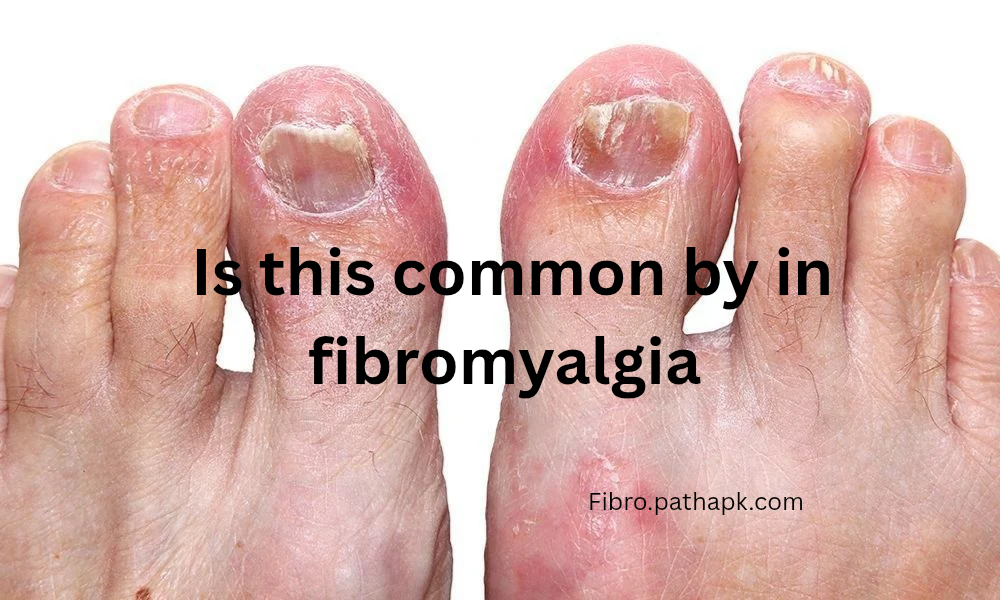
Is this common by in fibromyalgia
Fibromyalgia itself does not directly cause toenail diseases like fungus, discoloration, or nail loss. However, secondary effects like nerve hypersensitivity, altered walking patterns, and poor circulation can trigger or worsen nail-related issues in the toes.Specific toenail and foot issues often reported by those with fibromyalgia include:Nail Brittleness & Ridges: Many report peeling, splitting, or abnormally ridged nails, which are often linked to nutritional deficiencies (like low iron or vitamin D) or co-existing conditions like psoriasis.Pain & Tenderness: Nerve oversensitivity means normal things like the weight of a blanket or minor shoe pressure can cause intense pain (allodynia) in the nail beds.Fungal Infections (Onychomycosis): Chronic illness can stress the immune system, making patients slightly more susceptible to persistent yeast or fungal infections.Ingrown Toenails: This is a common complaint. Nerve pain or swollen feet often result in patients changing their gait (how they walk) or wearing ill-fitting shoes, putting painful pressure on the nails.Because fibromyalgia involves widespread pain and lowered pain thresholds, it’s very important not to assume that every symptom in your extremities is tied solely to your condition.
The photo shows a small dark discoloration near the side of the big toenail. This can happen from several causes, including:
A minor injury or pressure from shoes causing a small bruise under the nail.
Dirt or debris trapped near the nail edge.
Less commonly, a nail infection or other nail condition.
Fibromyalgia does not typically cause dark spots under toenails. Fibromyalgia is mainly associated with:
Widespread muscle and body pain
Fatigue
Sleep problems
Brain fog or difficulty concentrating
Increased sensitivity to pain
The toenail change in your photo is not considered a common sign of fibromyalgia.
If the dark area:
Gets larger,
Becomes painful,
Does not grow out with the nail over several months,
Or you notice redness, swelling, or drainage,
it would be a good idea to have it checked by a doctor or podiatrist.
Article: Is This Toenail Change Common in Fibromyalgia?
Many people with fibromyalgia notice a variety of symptoms throughout their bodies and often wonder whether new changes are related to their condition. One concern that sometimes arises is the appearance of unusual marks, discoloration, or changes in the toenails.
Fibromyalgia is a chronic condition that affects how the brain and nervous system process pain signals. It is characterized by widespread pain, fatigue, sleep disturbances, and cognitive difficulties. While fibromyalgia can affect quality of life in many ways, it is not generally known to directly cause dark spots, bruises, or discoloration under the toenails.
Toenail discoloration can occur for many reasons. One of the most common causes is trauma. Even a minor bump to the toe or repeated pressure from tight shoes can cause a small amount of bleeding under the nail, leading to a dark spot. Athletes and people who spend long periods on their feet may experience this more frequently.
Fungal nail infections are another common cause of nail changes. These infections may cause the nail to become thickened, discolored, brittle, or misshapen. Although people with fibromyalgia can develop fungal infections like anyone else, the infection itself is not caused by fibromyalgia.
Some individuals with fibromyalgia report increased sensitivity in their feet and toes. They may notice pain from shoes, standing, or walking for long periods. However, sensitivity and pain are different from structural nail changes. A dark mark under the nail usually has another explanation.
Good foot care is important for everyone, especially those dealing with chronic pain conditions. Wearing properly fitting shoes, keeping the feet clean and dry, and checking the nails regularly can help identify problems early.
If a dark spot under the nail gradually moves outward as the nail grows, it is often consistent with a bruise from previous trauma. If it remains in the same place, becomes larger, or develops unusual features, medical evaluation is recommended.
People with fibromyalgia often have many symptoms at once, which can make it difficult to determine whether a new change is related to their condition. When in doubt, documenting the change with photographs and discussing it with a healthcare professional can be helpful.
Overall, the toenail appearance shown in your image is not a typical or common symptom of fibromyalgia. A minor injury, pressure-related bruise, or another local nail condition would generally be more likely explanations. If the change persists or worsens, seeking medical advice is the safest approach.