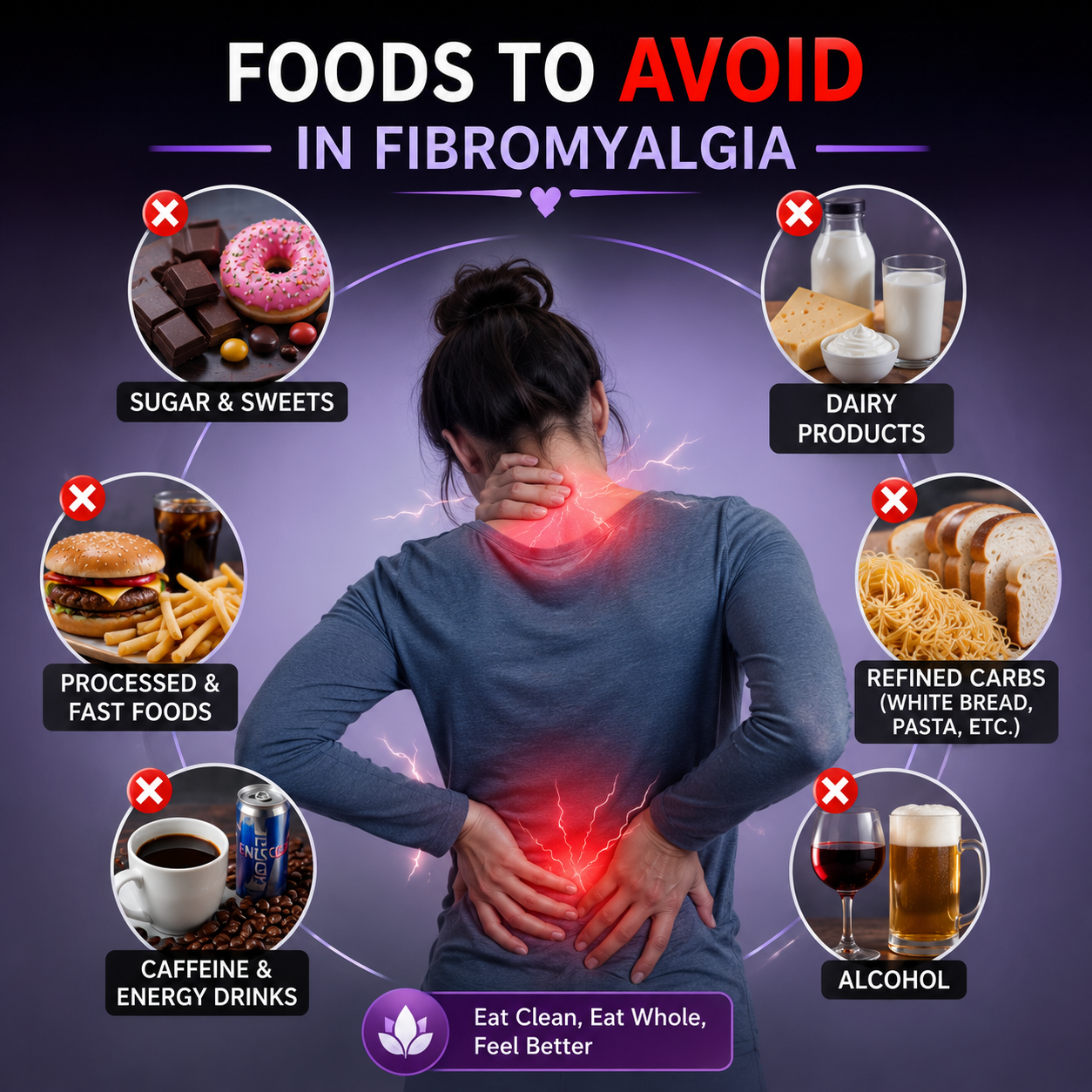
Please, what foods are prohibited to be consumed when suffering from fibromyalgia?
List of foods to avoid with fibromyalgia & what to eat
Evidence for specific fibromyalgia food triggers is limited, and foods affect people differently.
A balanced diet rich in nutrient-dense foods can support overall health, but no single diet is proven to manage fibromyalgia.
Tracking your diet and symptoms may help you identify personal patterns and make more informed decisions about your care.
Living with fibromyalgia often feels like a constant balancing act. Pain, fatigue, and brain fog can disrupt even the simplest routines, and in many people, food choices make those symptoms better or worse.
If you have wondered which foods to avoid with fibromyalgia, and what to eat instead, this guide brings together current research and lived experiences to help you make more informed decisions.
Why diet matters for fibromyalgia
Fibromyalgia does not have a single known cause, but research shows that diet can influence how symptoms appear each day. Some foods may worsen inflammation, disrupt sleep, or increase fatigue, while others may support steadier energy, better mood, and overall quality of life.
Since everyone responds differently, paying attention to your diet can be a useful way to uncover patterns and manage fibromyalgia flare-ups more effectively.
List of foods to avoid with fibromyalgia
The following foods may be worth paying attention to if you suspect your diet affects your symptoms:
1. Refined sugar
Some research suggests that diets high in refined sugar may contribute to inflammation and oxidative stress, both of which have been studied in relation to fibromyalgia. However, there is limited evidence that refined sugar directly worsens fibromyalgia symptoms.
If you notice that sugary foods or drinks seem to affect your fatigue, pain, or other symptoms, tracking what you eat alongside your symptoms may help you identify possible patterns.
2. Processed foods
Many ultra-processed foods, such as packaged meals, chips, and fast food, are high in saturated fats and refined carbohydrates and low in fiber.
Diets high in ultra-processed foods may contribute to inflammation. Because higher levels of inflammation have been associated with greater pain and fatigue in people with fibromyalgia, cutting back on ultra-processed foods may be worth trying to see whether your symptoms improve.
3. Aspartame
Aspartame, an artificial sweetener, has been investigated as a possible dietary trigger for fibromyalgia symptoms, but the evidence is limited.
One case report described two people whose fibromyalgia symptoms improved after they stopped consuming aspartame and returned when they began consuming it again. However, a randomized crossover trial involving 72 people with fibromyalgia found that eliminating aspartame and monosodium glutamate (MSG) did not significantly improve pain or other symptoms.
These findings mean that aspartame remains a hypothesis rather than an established fibromyalgia trigger.
If you notice a consistent change in your symptoms after consuming aspartame, keeping a record of what you consume and how you feel can help you discuss the pattern with your healthcare provider.
See how different drinks impact your fibromyalgia symptoms.
4. Gluten
One small study of 20 women with fibromyalgia and non-celiac gluten sensitivity found that following a gluten-free diet for six months reduced pain and improved quality of life.
However, the study was small and more research is needed to determine whether avoiding gluten is beneficial for people with fibromyalgia more broadly.
5. Dairy products
One small study of 46 women with fibromyalgia found that a diet excluding dairy products, gluten, added sugar, and ultra-processed foods improved pain, fatigue, digestive symptoms, sleep, and quality of life. However, because the participants made several dietary changes at the same time, we don’t know whether removing dairy contributed to these improvements.
There’s not enough evidence to recommend avoiding dairy for fibromyalgia. Tracking your diet and symptoms can help you identify whether dairy may affect you personally.
6. Caffeine
Caffeine can disrupt sleep, particularly when consumed later in the day. Poor sleep is common in people with fibromyalgia and is associated with worse pain and fatigue, so paying attention to whether caffeine affects your sleep may help you better understand changes in your symptoms.
7. Fried foods
Fried and fatty foods are commonly reported to worsen digestive symptoms in people with IBS, a condition that often overlaps with fibromyalgia. However, there is limited evidence that these foods directly worsen fibromyalgia symptoms.
If you experience digestive symptoms alongside fibromyalgia, tracking what you eat and how you feel afterward may help you identify possible patterns.
Pro tip
Focus on consistency, not perfection. Even small, steady changes in how you eat can reveal patterns that wild swings in diet might hide.
Foods that may trigger symptoms (and why)
Food Why It May Trigger Symptoms
Refined Sugar Blood sugar spikes, fatigue, inflammation
Processed Foods Preservatives, additives, trans fats increase inflammation
Artificial Sweeteners Possible nerve overstimulation, headaches, GI issues
Gluten Gut inflammation, fatigue, worsened pain
Dairy Products Digestive upset, inflammation
Caffeine Poor sleep quality, increased fatigue
Fried Foods High fat content, weight gain, inflammation
Recommended foods for fibromyalgia
Adding the right foods to your diet may help support energy, reduce inflammation, and improve overall well-being when you live with fibromyalgia.
Here are some options to consider:
1. Fatty fish
Salmon, mackerel, and sardines are excellent sources of omega-3 fatty acids. A recent randomized controlled trial showed that high-dose omega-3 supplementation significantly reduced pain severity and symptoms in people with fibromyalgia.
Try swapping fried meats or processed protein options for grilled or baked fish.
2. Leafy greens
Spinach, kale, and Swiss chard are rich in vitamins, fiber, and minerals such as magnesium, which may support muscle relaxation and nerve function.
Try adding leafy greens to salads, soups, smoothies, or stir-fries, or serving sautéed greens as a side dish.
3. Berries
Blueberries, strawberries, and raspberries are rich in antioxidants, vitamin C, and fiber. Antioxidant-rich foods may be relevant to fibromyalgia because oxidative stress has been studied as a possible contributor to the condition.
Swap sugary snacks for a bowl of mixed berries or add them to morning oatmeal. Better yet, combine berries with leafy greens in a smoothie to include both in one fibromalgia-friendly meal or snack.
4. Whole grains
Oats, quinoa, and brown rice provide fiber and other nutrients that support digestive health, which may be particularly relevant because gastrointestinal symptoms are common in people with fibromyalgia.
Try choosing whole-grain versions of foods like bread and pasta or adding oats, quinoa, and brown rice to meals to boost your fiber intake.
5. Nuts & seeds
Almonds, walnuts, chia seeds, and flaxseeds are nutrient-dense sources of plant-based protein, healthy fats, and minerals.
Research in people without fibromyalgia suggests that some nuts, including almonds and walnuts, may help reduce certain markers of inflammation and oxidative stress, both of which have been studied in relation to fibromyalgia.
A handful of nuts makes a satisfying snack, while chia pudding or almond butter on whole-grain toast can be simple alternatives to sugary granola bars.
Journal & track your condition inside our app
The Human Health app allows you to log symptoms, medications, receive reminders and more, all in one place!
6. Legumes
Beans, lentils, and chickpeas are nutrient-dense sources of plant-based protein and fiber.
While there’s no evidence that legumes directly reduce fibromyalgia symptoms, they help stabilize blood sugar, support digestive health, and provide key minerals like iron and magnesium. These benefits may indirectly ease fatigue and support steady energy, which can be valuable for people managing fibromyalgia.
7. Olive oil
Rich in monounsaturated fats and antioxidants, olive oil is a core part of the Mediterranean diet and may reduce inflammation and improve cardiovascular health in people with fibromyalgia.
Replace butter or margarine with extra virgin olive oil in cooking and dressings.
8. Turmeric & ginger
Turmeric and ginger contain compounds that have been studied for their potential anti-inflammatory and pain-relieving effects. Research suggests that ginger may reduce pain in some conditions, while turmeric extracts and curcumin supplements may help reduce pain and improve physical function in people with arthritis. However, it’s unclear whether these benefits extend to people with fibromyalgia.
Add turmeric to soups and curries or ginger to teas and stir-fries for extra flavor.
9. Non-dairy alternatives
Almond, oat, and soy milk fortified with calcium and vitamin D can offer gentler alternatives for those sensitive to dairy. They can also help support bone health, which can be a concern in people with fibromyalgia.
Consider using oat milk in coffee or almond milk in smoothies instead of cow’s milk.
10. Lean proteins
Skinless chicken, turkey, tofu, and other lean protein sources provide amino acids the body needs to maintain and repair tissues. They can also be part of a balanced eating pattern that supports weight management, which may be relevant because higher BMI has been associated with greater pain and symptom impact in some people with fibromyalgia.
Try swapping high-fat burgers or processed meats for grilled chicken, fish, beans, or marinated baked tofu.
Restricting calories and losing weight
For some people with fibromyalgia, maintaining a healthy weight may help ease symptoms.
Extra weight can place added strain on muscles and joints, which might increase pain and fatigue. Studies also suggest that obesity is linked to higher levels of inflammation, a common challenge in fibromyalgia management.
That said, weight loss should never mean drastic restriction. Instead, focusing on gradual changes (such as reducing portion sizes, swapping sugary snacks for fruits, and chmoosing whole grains over refined carbs) can create a gentle calorie deficit.
Always consult a healthcare provider before beginning any weight-loss plan, especially if you live with chronic health conditions.
How to identify your personal food triggers
Because fibromyalgia looks different for everyone, uncovering your own food triggers is essential. These approaches can help you notice patterns with more clarity:
1. Keep a food and symptom journal
Writing down every meal, snack, and beverage (alongside how you feel afterward) can reveal patterns that aren’t obvious day to day. Over several weeks, you may notice that certain foods consistently precede flare-ups of fatigue, pain, or digestive issues. Consistency and detail are key to making this tool effective.
2. Try an elimination diet
With the help of a healthcare professional, you can temporarily remove foods you suspect may affect your symptoms.
After a few weeks, slowly reintroduce each food one at a time while tracking any changes in how you feel. This may help you identify patterns between specific foods and your symptoms without unnecessarily restricting your diet long term.
3. Track timing of flare-ups
Noticing when symptoms occur is just as important as what you eat.
Recording when you eat certain foods and when symptoms such as pain, fatigue, or brain fog worsen can help you spot possible patterns. Tracking your sleep quality alongside your diet and symptoms may also help you identify changes that develop over several hours or days.
Pro tip
Focus on consistency, not perfection. Even small, steady changes in how you eat can reveal patterns that wild swings in diet might hide.
4. Use a digital tracker
A tracker, like the Human Health app, designed for chronic conditions, can help you track symptoms and lifestyle factors, without needing to rely on memory.
By logging flare-ups, noting changes in activity, or recording adjustments in routine, you’ll have a timeline that’s easy to review with your doctor. Over time, this can reveal connections that might otherwise be missed.
By taking small, consistent steps, you turn meals from a source of uncertainty into an opportunity for insight.
Track progress, symptoms, and more inside the Human Health app
There is no cure for fibromyalgia, and no single diet has been shown to manage symptoms for everyone. Tracking your diet alongside symptoms such as pain, fatigue, digestive issues, and sleep problems can help you identify possible patterns and better understand what affects you personally.
The Human Health app makes it simpler to log symptoms and flare-ups, track changes over time, and share clear reports with your provider. These insights can help you make more informed decisions and take a more collaborative approach to managing your care.
Disclaimer: Human Health is a health tracking platform and does not provide medical advice, diagnosis, or treatment. The information in this guide is for educational purposes only and is not a substitute for professional medical care. Always consult your doctor or healthcare provider with questions about your health.
References
Dietary Effects on Pain Symptoms in Patients with Fibromyalgia Syndrome: Systematic Review and Future Directions (2023)
Nutrition and Chronobiology as Key Components of Multidisciplinary Therapeutic Interventions for Fibromyalgia and Associated Chronic Fatigue Syndrome: A Narrative and Critical Review (2024)
Low-Grade Inflammation and Ultra-Processed Foods Consumption: A Review (2023)