Which part of your body is most often affected by fibromyalgia pain?
Fibromyalgia is a chronic condition that causes widespread pain throughout the body. Unlike arthritis, it does not damage joints or muscles directly. Instead, experts believe it affects the way the brain and nervous system process pain signals, making normal sensations feel much more painful. While fibromyalgia can hurt almost anywhere, certain parts of the body are affected more often than others.
Which Part of Your Body Is Most Often Affected by Fibromyalgia Pain?
Introduction
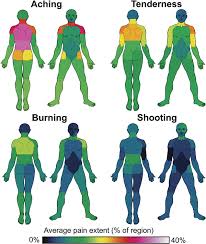
One of the most common questions people ask after receiving a fibromyalgia diagnosis is, “Where will it hurt the most?” The answer is different for everyone because fibromyalgia pain is widespread and can move from one area to another. Some days your shoulders may hurt the most, while on other days your legs, back, or hands may become the primary source of discomfort.
Fibromyalgia pain is often described as:
- Deep aching
- Burning
- Stabbing
- Throbbing
- Tender to touch
- Stiffness throughout the body
Pain may be constant or come in flares that last days or weeks.
1. Neck and Shoulders
The neck and shoulders are among the most commonly affected areas.
People often experience:
Tight muscles
Burning pain
Morning stiffness
Difficulty turning the head
Pain spreading into the arms
Even carrying a lightweight bag can sometimes increase discomfort.
2. Upper Back
Many people with fibromyalgia complain of pain between the shoulder blades.
Symptoms include:
Muscle knots
Tender spots
Burning sensation
Pressure pain
Fatigue after sitting
Long periods at a desk may make symptoms worse.
3. Lower Back
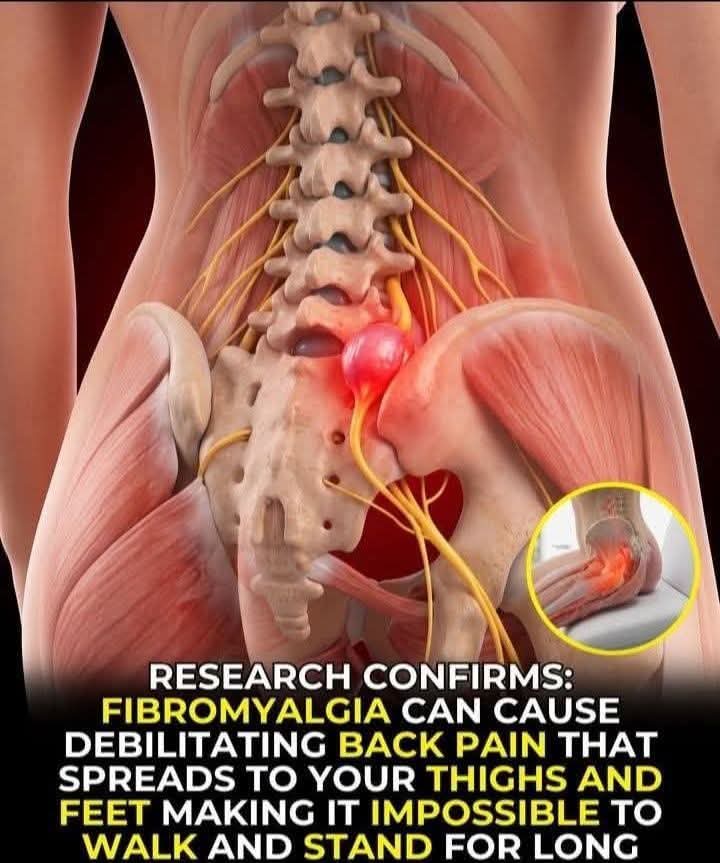
Lower back pain is one of the leading complaints.
It may feel like:
Constant dull ache
Sharp pain during movement
Muscle stiffness
Pain after standing
Difficulty bending
Unlike some back conditions, scans often appear normal.
4. Hips
Hip pain can interfere with walking and sleeping.
Many patients notice:
Pain while climbing stairs
Tenderness on the sides
Aching after exercise
Pain when lying on one side
5. Legs
The thighs and calves are frequently affected.
Symptoms include:
Heavy feeling
Deep aching
Burning pain
Muscle fatigue
Cramping
Some people describe their legs as feeling like they have run a marathon.
6. Knees
Although fibromyalgia does not damage the knee joint, pain around the knees is common.
People may notice:
Tenderness
Stiffness
Pain climbing stairs
Weakness
Soreness
7. Feet
Many patients report painful feet.
Common complaints:
Burning soles
Heel pain
Morning stiffness
Pain while walking
Tender arches
Standing for long periods may worsen symptoms.
8. Arms
Arm pain can affect daily tasks.
Symptoms include:
Muscle aching
Weak grip
Burning sensation
Fatigue
Pain lifting objects
9. Hands
Hands may become painful even without arthritis.
Common symptoms:
Finger stiffness
Tenderness
Aching
Difficulty opening jars
Reduced grip strength
10. Chest
Some people experience pain in the chest muscles.
This can feel frightening but is often related to muscle tenderness rather than the heart. However, new or severe chest pain should always be evaluated by a healthcare professional.
11. Jaw
Jaw pain is surprisingly common.
Symptoms include:
Pain while chewing
Clicking
Headaches
Facial tenderness
Ear discomfort
12. Head
Frequent headaches and migraines occur in many people with fibromyalgia.
Pain may include:
Pressure headaches
Migraines
Neck-related headaches
Sensitivity to light
Nausea
13. Entire Body
Many people describe feeling as though their whole body hurts.
This widespread pain is one of the defining characteristics of fibromyalgia.
Why Does the Pain Move?
Fibromyalgia pain often shifts from one body area to another because the nervous system becomes overly sensitive. Stress, poor sleep, illness, weather changes, or overexertion can trigger flares, making different body regions hurt more on different days.
Common Tender Points
Healthcare providers may notice increased tenderness around:
Base of the skull
Neck
Shoulders
Upper chest
Elbows
Hips
Knees
While tender points are no longer required for diagnosis, they remain common.
Other Symptoms That Often Accompany Pain
Fibromyalgia affects more than muscles.
Many people also experience:
- Extreme fatigue
- Poor sleep
- Brain fog
- Memory problems
- Anxiety
- Depression
- Headaches
- Irritable bowel syndrome
- Tingling sensations
- Sensitivity to temperature
- Noise sensitivity
- Light sensitivity
- What Can Make Pain Worse?
- Pain may increase after:
- Stress
- Lack of sleep
- Cold weather
- Humidity
- Overexercising
- Sitting too long
- Emotional distress
- Illness
Learning your personal triggers can help reduce flares.
Tips for Managing Fibromyalgia Pain
Many people find relief by combining several strategies:
Gentle daily exercise such as walking or swimming
Stretching and yoga
Good sleep habits
Stress management techniques
Pacing activities to avoid overexertion
Staying hydrated
Eating a balanced diet
Following your healthcare provider’s treatment plan
Taking medications only as prescribed
Seeking support from family, friends, or support groups
Final Thoughts
Fibromyalgia pain most often affects the neck, shoulders, upper and lower back, hips, legs, arms, and feet, but it can occur almost anywhere in the body. The pain is typically widespread, changes over time, and is often accompanied by fatigue, sleep problems, and cognitive difficulties. Understanding where fibromyalgia commonly causes pain—and what triggers flares—can help people better manage the condition and improve their quality of life. While there is currently no cure, a combination of medical treatment, regular gentle movement, healthy sleep, and self-care can significantly reduce symptoms and help many people live active, fulfilling lives.