What Does a Fibromyalgia Flare Feel Like? A Honest, In-Depth Guide
If you’ve ever tried explaining a fibromyalgia flare to someone who’s never experienced one, you know how difficult it can be. “It’s like the flu, but worse. And without the fever. And it doesn’t go away.” What does a fibromyalgia flare feel like, exactly? The answer is more complex than most people realize — and far more debilitating than it might appear from the outside. Whether you’re newly diagnosed, supporting a loved one, or just trying to make sense of your own body, this guide walks you through every dimension of a fibromyalgia flare: the physical sensations, the emotional toll, the warning signs, and what you can do to get through it.
Table of Contents
- What Is a Fibromyalgia Flare?
- What Does a Fibromyalgia Flare Feel Like Physically?
- The Emotional and Mental Impact
- Warning Signs a Flare Is Coming
- How Long Do Fibromyalgia Flares Last?
- What Triggers Fibromyalgia Flares?
- Frequently Asked Questions
- Conclusion
What Is a Fibromyalgia Flare?
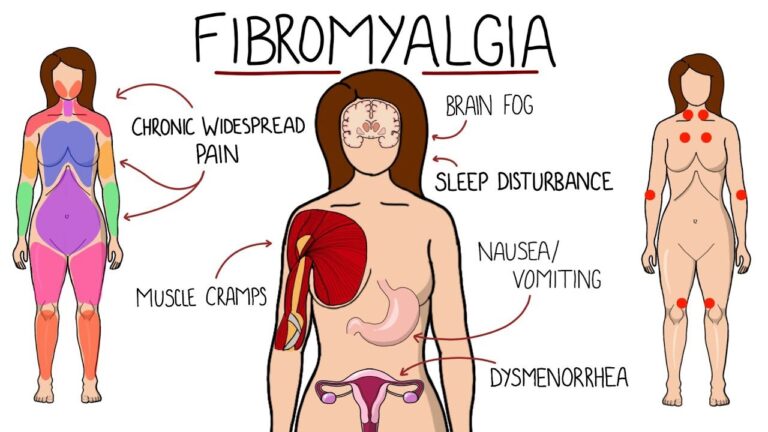
Fibromyalgia is a chronic pain disorder characterized by widespread musculoskeletal pain, fatigue, sleep disturbances, and cognitive difficulties. Unlike conditions that cause visible inflammation or damage, fibromyalgia is believed to involve central sensitization — a malfunction in the way the brain and spinal cord process pain signals. The nervous system essentially turns up the “volume” on pain, making sensations that wouldn’t normally hurt feel excruciating.
A fibromyalgia flare is a period when symptoms intensify significantly beyond a person’s baseline. If fibromyalgia is a constant background noise, a flare is that noise turned up to maximum volume. Flares can last anywhere from a few days to several weeks and can seriously impair a person’s ability to work, care for themselves, or participate in daily activities.
What Does a Fibromyalgia Flare Feel Like Physically?
All-Over Body Pain That’s Hard to Describe
The hallmark of a fibromyalgia flare is widespread pain that doesn’t originate from a specific injury. People often describe it using words like:
- “Burning” — a deep, hot sensation beneath the skin
- “Aching” — like every muscle has been overworked
- “Stabbing” — sudden, sharp jolts of pain that come without warning
- “Tender to the touch” — even light pressure from clothing or a gentle hug causes pain
During a flare, this pain is typically more intense than usual and can move around the body. One day the worst pain might be in the shoulders and neck; the next, it shifts to the hips and thighs. This inconsistency can make fibromyalgia confusing and difficult to explain to others.
Extreme Fatigue That Sleep Doesn’t Fix
This isn’t ordinary tiredness. During a fibromyalgia flare, many people describe a bone-deep exhaustion that doesn’t improve with rest. You might sleep ten hours and still feel like you haven’t slept at all. This is partly because fibromyalgia disrupts the deep, restorative stages of sleep (Stages 3 and 4), leaving the body unable to fully recover.
Getting through a single day during a flare can feel like running a marathon — even if all you did was take a shower and sit at the kitchen table.
Heightened Sensitivity to Everything
During a flare, the nervous system is in hyperdrive. This leads to a phenomenon called allodynia — pain from stimuli that shouldn’t cause pain. Patients report:
- Pain from the weight of bed sheets at night
- Discomfort from wearing clothing with tight elastic or seams
- Sensitivity to light and noise that feels physically painful
- Temperature changes (cold air, a warm shower) triggering intense discomfort
This heightened sensitivity is one of the most disorienting aspects of a flare, and it’s often what makes simple daily tasks feel impossible.
Stiffness, Especially in the Morning
Morning stiffness is a common complaint during flares. Many fibromyalgia patients describe waking up feeling like their body is “frozen” — joints and muscles so stiff that it takes 30 minutes to an hour before they can move comfortably. This can make mornings particularly difficult and contribute to feelings of dread as bedtime approaches.
Headaches and Migraines
Tension headaches and migraines are significantly more common during fibromyalgia flares. The exact mechanism isn’t fully understood, but it likely relates to the same central sensitization that drives other fibromyalgia symptoms, as well as poor sleep and increased muscle tension in the neck and shoulders.
Digestive Distress
Fibromyalgia frequently overlaps with irritable bowel syndrome (IBS), and flares often make GI symptoms worse. During a flare, many patients experience nausea, bloating, diarrhea, constipation, or stomach cramping. The gut contains its own nervous system (the enteric nervous system), and when central sensitization is active, it affects digestion too.
The Emotional and Mental Impact
Fibro Fog at Its Worst
“Fibro fog” — officially called fibromyalgia-associated cognitive dysfunction — becomes severely pronounced during a flare. People describe struggling to:
- Find words mid-sentence
- Remember simple tasks or appointments
- Follow the thread of a conversation
- Read, write, or concentrate on anything for more than a few minutes
For working adults, this aspect of a flare can be among the most distressing. Many describe feeling “disconnected” from their own thoughts, as though their brain is operating through a thick layer of static.
Emotional Vulnerability
Living through a flare is emotionally exhausting. The combination of physical pain, fatigue, and cognitive difficulty often leads to feelings of hopelessness, frustration, and grief — especially when a flare strikes during an important time like a vacation, a work deadline, or a family event.
Research shows that fibromyalgia patients have higher rates of anxiety and depression, not just as comorbidities, but as reactions to the condition itself. Watching your body fail you repeatedly takes a serious emotional toll.
Warning Signs a Flare Is Coming
Many experienced fibromyalgia patients learn to recognize “prodromal” signs — early warning signals that a flare is building before it fully hits. These can include:
- Increased muscle stiffness or tightness over one to two days
- Unusual difficulty sleeping the night before
- A subtle “buzzing” or heightened sensitivity in the skin
- Feeling more irritable or emotionally raw than usual
- Mild cognitive difficulties that are slightly worse than baseline
- Digestive symptoms beginning to worsen
Learning to identify your personal warning signs is valuable because it gives you a window to prepare — rest more, reduce stress, avoid dietary triggers, and reach out to your healthcare team before the flare reaches its peak.
How Long Do Fibromyalgia Flares Last?
There’s no universal answer, but here’s what most people experience:
- Short flares: 1–3 days. Often triggered by a specific event like a physically demanding activity, a stressful situation, or illness.
- Moderate flares: 1–2 weeks. May require reduced activity and additional rest.
- Severe flares: Several weeks to months. These are less common but can significantly disrupt work and daily life.
The duration often depends on what triggered the flare, how well it’s managed, and individual differences in nervous system sensitivity. Stress, infections, and major life events tend to produce longer, harder flares.
What Triggers Fibromyalgia Flares?
Common flare triggers include:
- Physical overexertion — doing too much in a single day, especially without rest
- Weather changes — cold, damp weather or sudden barometric pressure shifts
- Poor sleep — even one or two bad nights can initiate a flare
- Emotional stress — conflict, anxiety, grief, or major life changes
- Illness or infection — the immune response can amplify fibromyalgia symptoms
- Dietary choices — processed foods, MSG, aspartame, alcohol (see Post 1)
- Hormonal fluctuations — many women report worsening symptoms around menstruation
- Travel — changes in routine, disrupted sleep, physical activity of airports and driving
Not every trigger will affect every person the same way. One of the most useful things you can do is keep a symptom journal to map your personal patterns over time.
Frequently Asked Questions
Q: Is a fibromyalgia flare the same as a normal bad day? A: No. While fibromyalgia involves chronic daily symptoms, a flare is a significant worsening above that baseline. During a flare, many patients are unable to perform normal daily tasks, work, or care for themselves adequately. It’s a measurable, impactful change — not just a difficult day.
Q: Can fibromyalgia flares be prevented? A: Not entirely, but their frequency and severity can often be reduced. Managing stress, maintaining consistent sleep, avoiding dietary triggers, pacing activities, and communicating early with your healthcare provider are all effective strategies for reducing flare frequency.
Q: Do fibromyalgia flares cause permanent damage? A: No. While fibromyalgia flares are intensely painful, they do not cause tissue damage or joint destruction. This distinguishes fibromyalgia from inflammatory arthritis conditions. The pain is real and severe, but the underlying tissues are not being damaged.
Q: Should I go to the ER during a fibromyalgia flare? A: Most flares, even severe ones, do not require emergency care. However, if you experience new or unusual symptoms — such as chest pain, difficulty breathing, neurological symptoms, or signs of infection — seek medical attention promptly. It’s always worth calling your doctor if something feels different from your typical flare pattern.
Q: What helps the most during a fibromyalgia flare? A: Rest, gentle warmth (heating pads, warm baths), reducing sensory stimulation, staying hydrated, and avoiding additional triggers tend to help most. Some patients find that gentle, slow movement like stretching or walking short distances helps more than complete bed rest. Always follow your doctor’s guidance for your specific situation.
Conclusion
So what does a fibromyalgia flare feel like? It feels like your entire body is on fire, your mind is wrapped in fog, your sleep offers no relief, and even the softest touch becomes an ordeal. It’s physical, emotional, and cognitive — all at once. And despite how real and severe it is, it’s often invisible to everyone around you.
Understanding what a flare actually involves is crucial — both for the person living through it and for the people who care about them. Knowledge leads to better preparation, better communication with healthcare providers, and ultimately, better quality of life.