5 Daily Habits to Help You Manage Fibromyalgia and Feel Better Every Day
Living with fibromyalgia can feel like a daily challenge. One day you may have enough energy to complete your tasks, while the next day even getting out of bed can feel overwhelming. The widespread pain, fatigue, sleep disturbances, and brain fog associated with fibromyalgia can impact nearly every aspect of life.
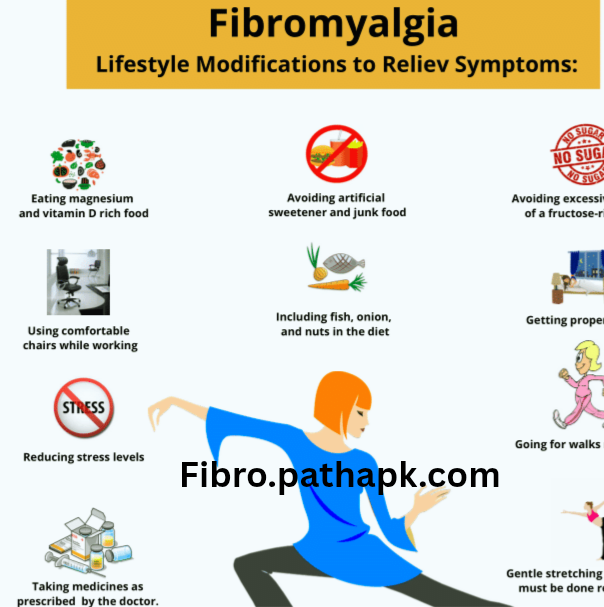
While there is currently no cure for fibromyalgia, many people discover that small, consistent lifestyle changes can make a meaningful difference. Developing healthy daily habits can help reduce symptoms, improve energy levels, and make flare-ups more manageable.
If you’re looking for practical ways to improve your quality of life, these five daily habits may help you better manage fibromyalgia and regain a greater sense of control over your health.
Why Daily Habits Matter for Fibromyalgia
Fibromyalgia affects the way the brain and nervous system process pain signals. Because symptoms can fluctuate from day to day, creating a stable routine often helps reduce stress on the body.
Healthy daily habits support better sleep, improve physical function, reduce inflammation, and help regulate stress hormones. While these habits are not a replacement for medical treatment, they can complement your healthcare plan and contribute to long-term symptom management.
The key is consistency. Small actions performed regularly often produce better results than drastic changes that are difficult to maintain.
Habit #1: Prioritize Quality Sleep Every Night
One of the most common complaints among people living with fibromyalgia is poor sleep. Even after spending hours in bed, many individuals wake up feeling exhausted and unrefreshed.
Research suggests that disrupted sleep may worsen fibromyalgia symptoms, including pain sensitivity, fatigue, and cognitive difficulties. Improving sleep quality is often one of the most effective ways to manage fibromyalgia symptoms.
Tips for Better Sleep
- Go to bed and wake up at the same time every day.
- Create a relaxing bedtime routine.
- Limit screen time before bed.
- Keep your bedroom cool, quiet, and dark.
- Avoid caffeine late in the day.
- Reduce alcohol consumption before bedtime.
Many people find that establishing a predictable sleep schedule helps regulate their body’s internal clock. Over time, better sleep can contribute to improved energy levels and reduced pain.
Why Sleep Is So Important
During sleep, the body repairs tissues, regulates hormones, and restores energy. When sleep is interrupted repeatedly, the body’s ability to recover becomes compromised.
For people with fibromyalgia, prioritizing restful sleep is often the foundation of effective symptom management.
Habit #2: Move Your Body Gently Every Day
Exercise can be a sensitive topic for people with chronic pain. During a flare-up, movement may feel difficult or even impossible. However, avoiding physical activity altogether can sometimes worsen stiffness, fatigue, and muscle discomfort.
The goal is not intense workouts. Instead, focus on gentle movement that supports flexibility and circulation.
Low-Impact Activities That May Help
- Walking
- Stretching
- Swimming
- Water aerobics
- Yoga
- Tai Chi
- Gentle cycling
Many fibromyalgia specialists recommend starting slowly. Even five to ten minutes of light movement can be beneficial when performed consistently.
The Importance of Pacing
One common mistake is doing too much on good days and then crashing afterward. This cycle often leads to increased pain and fatigue.
Instead, aim for balanced activity levels throughout the week. Listen to your body and increase activity gradually.
Regular movement may help:
- Reduce muscle stiffness
- Improve mood
- Increase energy
- Support better sleep
- Enhance overall mobility
Over time, gentle exercise can become one of the most powerful tools for fibromyalgia pain relief.
Habit #3: Manage Stress Before It Manages You
Stress and fibromyalgia often go hand in hand. Emotional stress can trigger or worsen symptoms, contributing to increased pain, fatigue, headaches, digestive issues, and sleep problems.
Because the nervous system is already highly sensitive in fibromyalgia, stress management becomes an essential part of daily self-care.
Effective Stress-Reduction Techniques
Deep Breathing
Simple breathing exercises can calm the nervous system and reduce tension throughout the body.
Meditation
Even a few minutes of mindfulness meditation each day can improve emotional resilience and reduce anxiety.
Journaling
Writing down thoughts and feelings may help process emotions and identify symptom triggers.
Spending Time Outdoors
Nature has been shown to reduce stress levels and improve mental well-being.
Setting Boundaries
Learning to say no and protecting your energy can prevent physical and emotional burnout.
Understanding the Mind-Body Connection
Stress doesn’t just affect your mood—it can influence physical symptoms as well. Many individuals notice that flare-ups occur during periods of emotional strain.
Developing healthy coping strategies can help reduce the impact of stress on your body and improve overall symptom control.
Habit #4: Eat a Balanced, Nourishing Diet
Although there is no single fibromyalgia diet that works for everyone, many people report symptom improvements when they focus on nutritious foods and identify potential dietary triggers.
A healthy eating pattern supports energy production, immune function, and overall wellness.
Foods That May Support Fibromyalgia Management
Fruits and Vegetables
Rich in antioxidants and nutrients that support overall health.
Lean Proteins
Chicken, fish, eggs, beans, and legumes help maintain muscle health and energy.
Healthy Fats
Sources such as avocados, nuts, seeds, and olive oil may help reduce inflammation.
Whole Grains
Complex carbohydrates provide steady energy throughout the day.
Hydration
Drinking enough water supports circulation, digestion, and energy levels.
Foods Some People Limit
Certain individuals find symptom relief by reducing:
- Highly processed foods
- Excess sugar
- Artificial sweeteners
- Excess caffeine
- Alcohol
Because triggers vary from person to person, keeping a food journal may help identify patterns between diet and symptom flare-ups.
Small Changes Add Up
You don’t need a perfect diet to experience benefits. Simple improvements made consistently often produce lasting results.
Habit #5: Practice Daily Self-Care and Energy Management
Many people with fibromyalgia push themselves beyond their limits in an effort to keep up with daily responsibilities. Unfortunately, this often leads to increased fatigue and painful flare-ups.
Learning how to manage energy wisely is one of the most valuable fibromyalgia lifestyle tips.
What Is Pacing?
Pacing means balancing activity and rest throughout the day.
Instead of waiting until exhaustion hits, you take planned breaks before symptoms become overwhelming.
Practical Energy-Saving Strategies
- Break large tasks into smaller steps.
- Alternate physical and mental activities.
- Use assistive tools when needed.
- Schedule important tasks during your most energetic hours.
- Rest without guilt.
Self-Care Is Not Selfish
Self-care can include:
- Reading a favorite book
- Taking a warm bath
- Listening to calming music
- Practicing mindfulness
- Connecting with supportive friends
These activities may seem simple, but they can help reduce stress and improve emotional well-being.
Remember that managing fibromyalgia is a marathon, not a sprint. Protecting your energy today may help prevent tomorrow’s flare-up.
Common Mistakes People Make When Managing Fibromyalgia
While everyone experiences fibromyalgia differently, some common mistakes can make symptoms worse.
Ignoring Sleep Problems
Poor sleep often intensifies pain and fatigue.
Overdoing Activity
Doing too much on good days can trigger setbacks.
Skipping Stress Management
Unmanaged stress frequently contributes to symptom flare-ups.
Neglecting Nutrition
Inconsistent eating habits may worsen energy crashes.
Comparing Yourself to Others
Fibromyalgia affects everyone differently. Focus on your own progress rather than someone else’s journey.
Creating a Sustainable Fibromyalgia Routine
The most successful fibromyalgia management plans are usually built around realistic habits rather than dramatic lifestyle overhauls.
Start small.
Choose one habit to focus on this week. Once it becomes part of your routine, add another.
For example:
Week 1: Improve bedtime habits.
Week 2: Add a short daily walk.
Week 3: Practice five minutes of meditation.
Week 4: Improve hydration and nutrition.
Gradual improvements are often easier to maintain and less likely to trigger symptom flare-ups.
When to Seek Professional Help
Although daily habits can make a significant difference, professional medical support remains important.
Speak with your healthcare provider if:
- Symptoms suddenly worsen.
- Pain becomes difficult to manage.
- Sleep problems persist.
- Depression or anxiety interfere with daily life.
- New symptoms develop.
A healthcare professional can help create a comprehensive fibromyalgia treatment plan tailored to your needs.
Final Thoughts
Living with fibromyalgia can be challenging, but small daily choices can have a meaningful impact on how you feel. Prioritizing sleep, engaging in gentle movement, managing stress, eating nourishing foods, and practicing consistent self-care are practical habits that support long-term symptom management.
There may not be a quick fix for fibromyalgia, but building healthy routines can help reduce pain, improve energy, and enhance your overall quality of life.
Progress may happen slowly, and that’s okay. Every positive step counts. By focusing on sustainable daily habits, you can create a lifestyle that supports your health and helps you navigate fibromyalgia with greater confidence and resilience.